Master of Computers & Applications(MCA)
Master of Computers & Applications
The Master of Computer Applications (MCA) Department is dedicated to providing quality education and developing skilled professionals in the field of computer applications and information technology. The department focuses on both theoretical knowledge and practical skills, enabling students to understand fundamental concepts and apply them to real-world problems.
The department provides education in various areas such as programming, database management, web technologies, software engineering, computer networks, artificial intelligence, cybersecurity, cloud computing, and data science. The experienced faculty members provide academic guidance and support students in their projects, research activities, technical development, and professional growth. The MCA Department emphasizes practical and industry-oriented learning through laboratories, programming exercises, workshops, seminars, technical activities, and project development. Students are encouraged to develop real-world applications, improve their problem-solving and programming skills, and gain knowledge of current technologies and industry-relevant tools.
The main objective of the MCA Department is to prepare students to become competent software professionals, technology innovators, researchers, and responsible IT professionals. The department aims to develop students with strong technical knowledge, practical skills, problem-solving abilities, and professional ethics so that they can effectively meet the changing requirements of the IT industry and society.
HOD's MESSAGE
A Message from the Head of Department
Our students excel in academics, research, innovation, sports, entrepreneurship, and national competitions, making a meaningful impact both on campus and beyond.
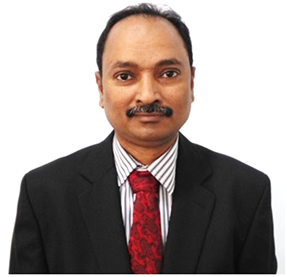
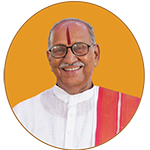
Dr. Md Umar Khan
Professor & Head of Department
Department of Master Of Computers & applications
Our students excel in academics, research, innovation, technical competitions, entrepreneurship, sports, and various co-curricular activities, making a meaningful impact both on campus and beyond.
Computer education should encourage students to think creatively, solve problems effectively, and understand the responsibilities that come with being a technology professional. We encourage students to participate in technical activities, exchange ideas, explore emerging technologies, and take ownership of their learning. The department seeks to create a collaborative and innovative environment where students can discover their strengths, develop technical and leadership skills, and grow with confidence. We strive to prepare our students to meet the challenges of the rapidly evolving IT industry and contribute meaningfully to society through technology.
Our Vision
To develop competent, innovative, entrepreneurial, and socially responsible IT professionals equipped with technical knowledge and skills to contribute to sustainable technological development.
Our Mission
- To provide a dynamic and effective learning environment that enhances students’ technical competencies, critical thinking, creativity, and problem-solving skills.
- To foster an innovative and entrepreneurial mindset through emerging technologies, practical learning, creativity, and real-world project development.
- To install strong ethical values, professional responsibility, and social awareness in future IT professionals.
- To promote industry collaboration, research, and practical exposure that bridge academic knowledge with real-world technological applications.
- To nurture leadership, teamwork, communication, and lifelong learning skills that empower students to excel in a competitive and rapidly changing IT environment.
Program Specific Objectives(PSOs)
PSO1: To develop competent and ethical IT professionals with strong programming, analytical, problem-solving, and software development skills to address real-world computing challenges.
PSO2: To foster innovation, entrepreneurship, research aptitude, and industry readiness through experiential learning, emerging technologies, and real-world application development.
Program Outcomes (POs)
PO1: Computing Knowledge:
Apply knowledge of computer science, programming, algorithms, databases, networks, and software engineering to solve computing problems effectively.
PO2: Problem Analysis and Problem-Solving:
Analyze complex computing problems and develop appropriate and efficient solutions using logical, analytical, and computational thinking.
PO3: Design and Development of Solutions:
Design, develop, test, and implement software applications and computing solutions that meet specified requirements.
PO4: Modern Technology and Innovation:
Apply modern tools, technologies, and methodologies such as Artificial Intelligence, Machine Learning, Cloud Computing, Cybersecurity, Data Science, and Web Technologies to develop innovative solutions.
PO5: Leadership and Teamwork:
Demonstrate leadership, teamwork, collaboration, and interpersonal skills while working effectively in diverse professional and project environments.
PO6: Ethical and Social Responsibility:
Apply professional ethics, cybersecurity principles, data privacy, and social responsibility while developing and using computing technologies.
PO7: Effective Communication:
Demonstrate effective oral, written, technical, and professional communication skills for presenting ideas, projects, research findings, and technical solutions.
PO8: Industry Readiness and Research Aptitude:
Apply research methodologies, data analysis, technical knowledge, and industry practices to investigate problems and develop appropriate computing solutions.
PO9: Entrepreneurship and Innovation:
Develop an entrepreneurial mindset, creativity, innovation, and problem-solving ability to identify opportunities and create technology-based products and services.
PO10: Lifelong Learning and Adaptability:
Demonstrate the ability and attitude for continuous learning, professional development, and adaptation to emerging technologies and changing IT industry requirements.
Meet the Faculty of Computers Applications
Faculty bringing academic perspective and professional insight into the study of Computer apllications.
Dr. Md Umar Khan
Professor & HOD
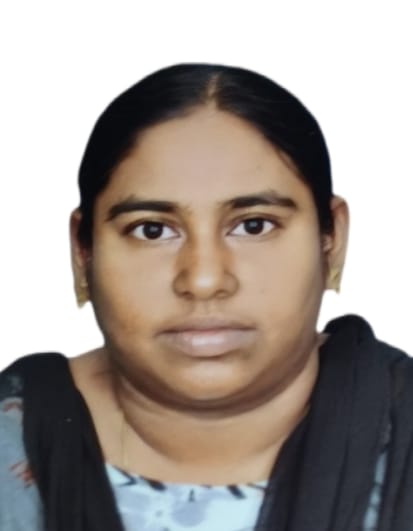
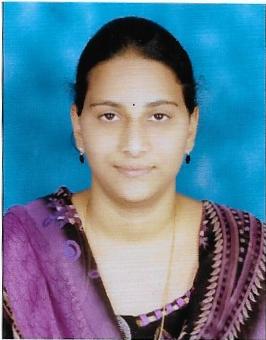
Mrs.K.Bhavani
Assistant Professor
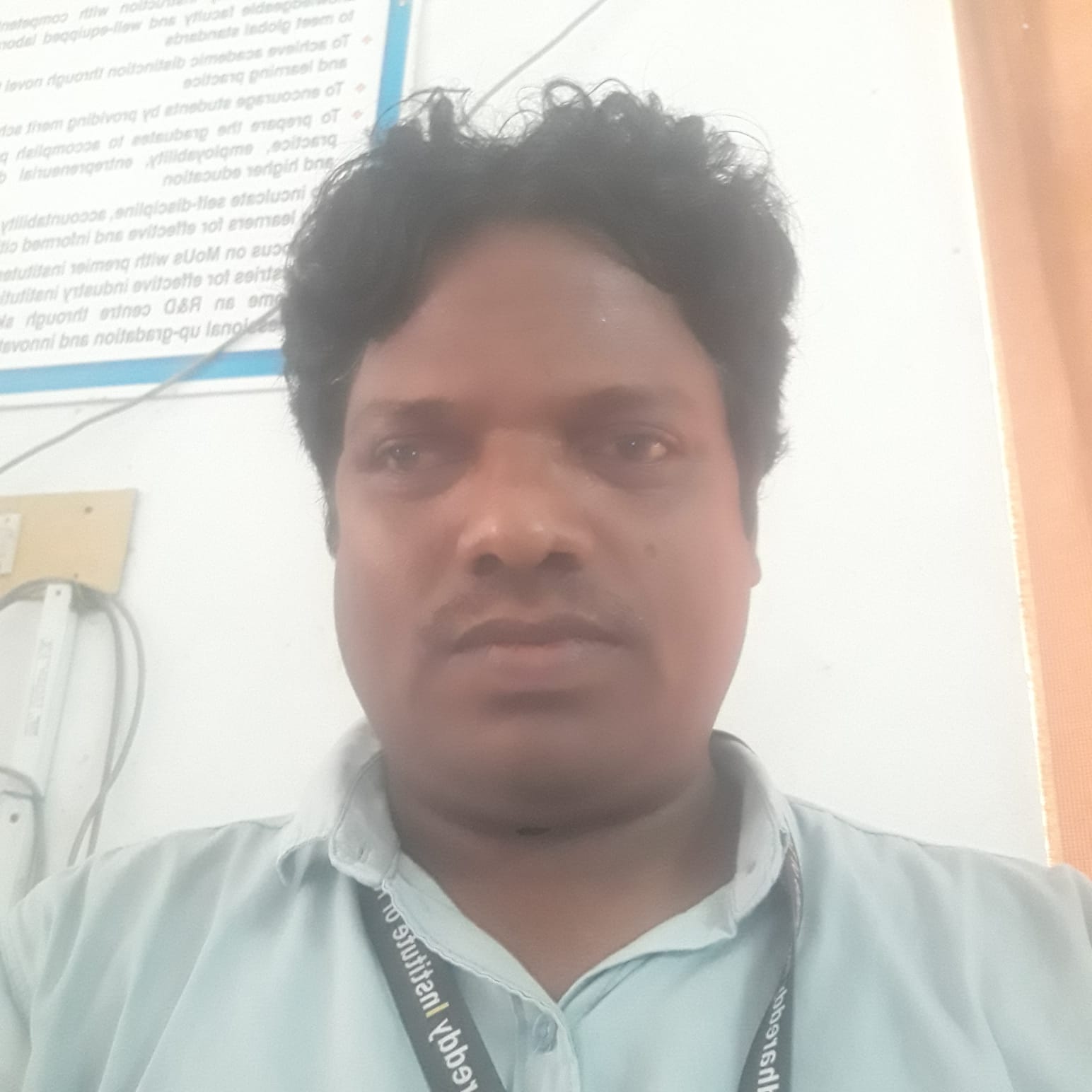
Mrs.N.Rupa Rani
Assistant Professor
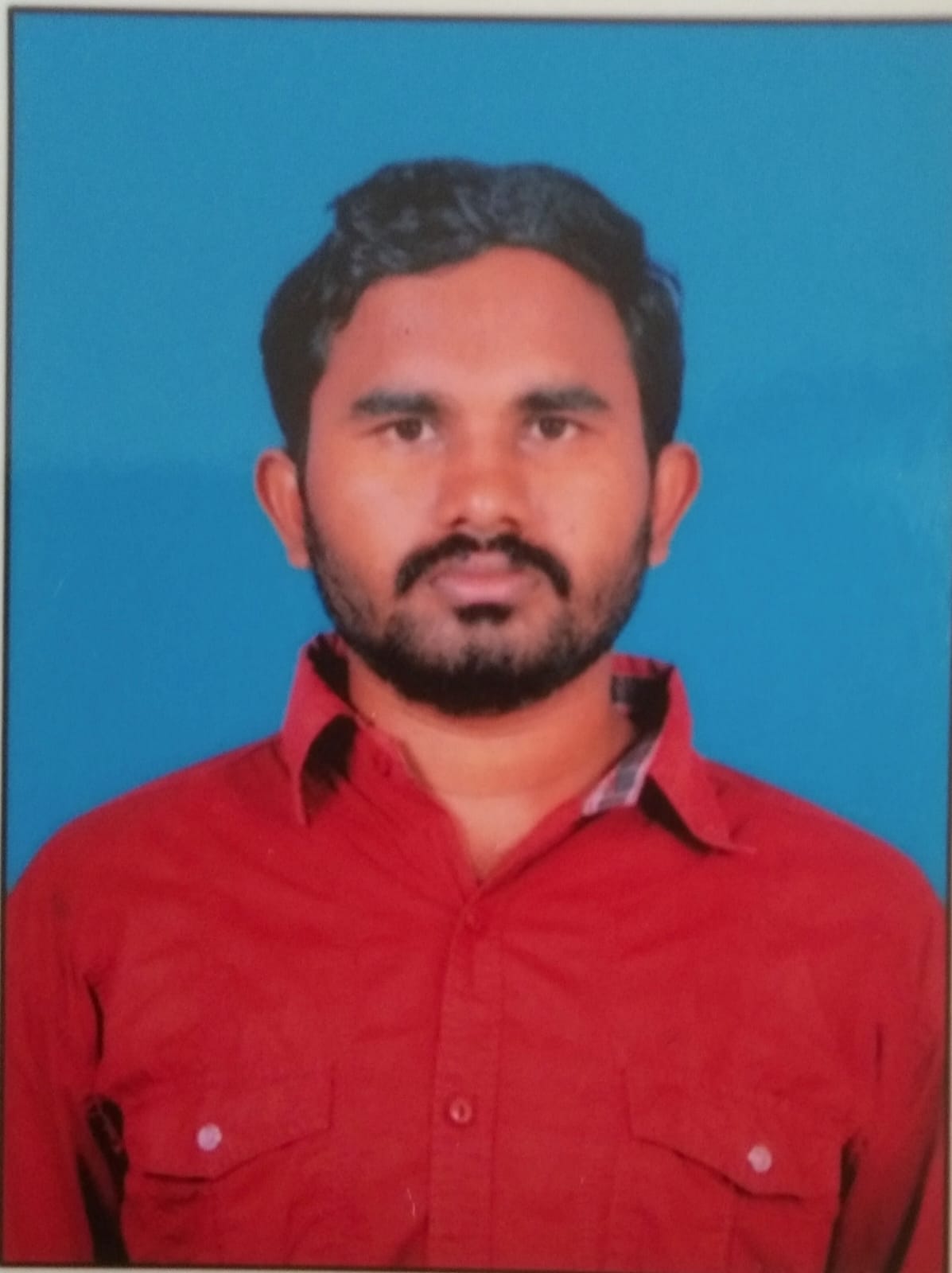
Mr.K.Koteswara Rao
Assistant Professor
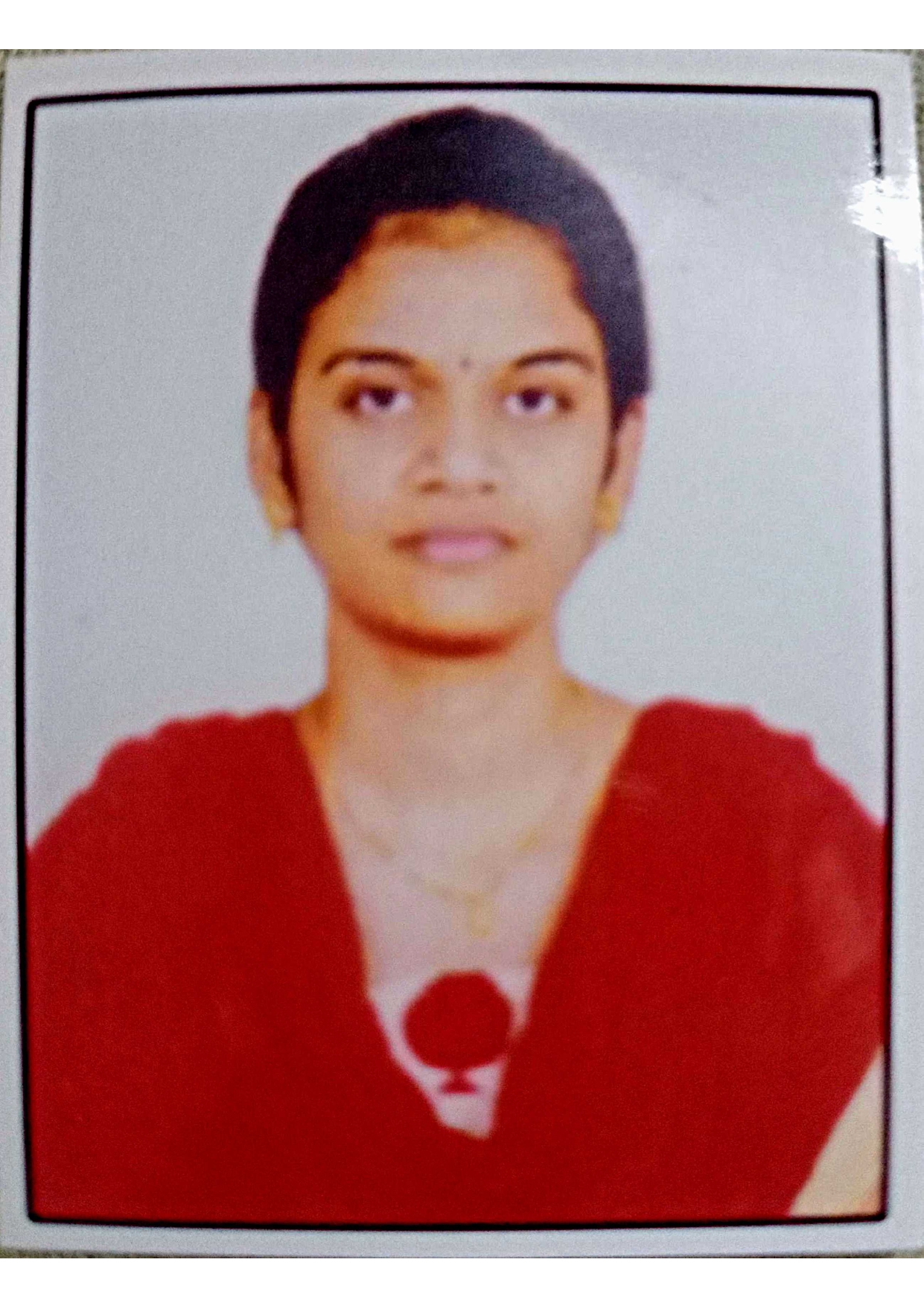
Mr.SK.Nagoor Babu
Assistant Professor
Ms.M.Raja Rajeswari
Assistant Professor
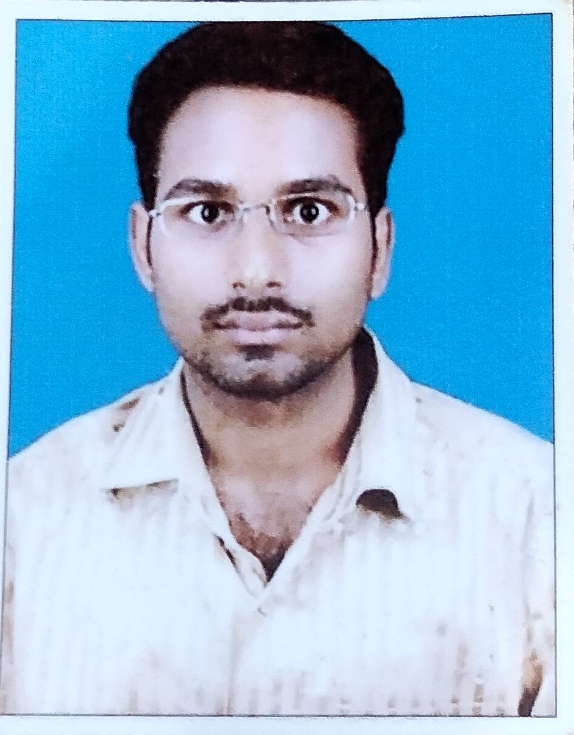
Mr. K.Rupendra
Assistant Professor
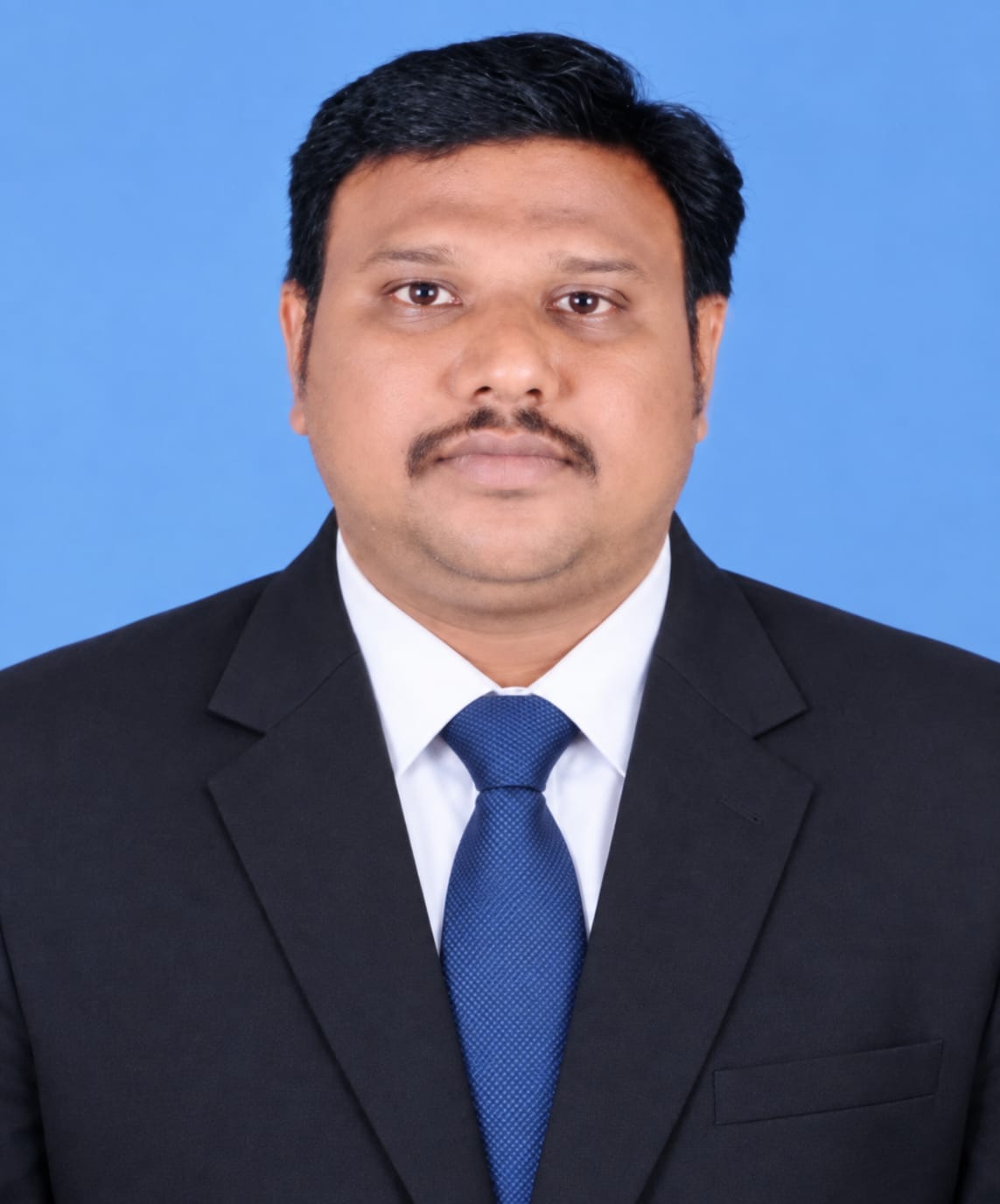
Mr.C.Sravan
Assistant Professor
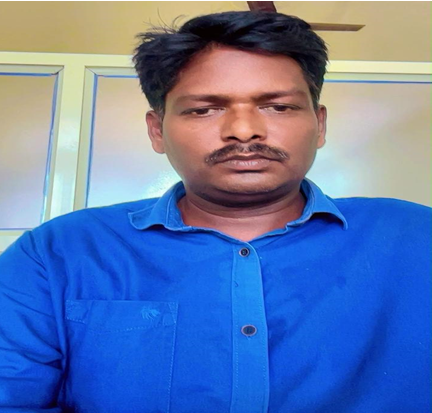
Mr. K.Vasu
Assistant Professor
Mrs. J.Prasanthi
Assistant Professor
Pioneers of research and Innovations
Research Publications
Faculty Research & Publication Records
| S. No. | Faculty Name | Paper Title | Journal / Publication | Month / Year |
|---|---|---|---|---|
| 01 | Dr. Md. Umar Khan | An IoT Based Device for Communication among Deaf, Dumb and Blind People Authors: 1. Dr. Md. Umar Khan 2. S. Varun Sai Krishna 3. T. Manikanta 4. Sk. Sharfuddin 5. T. Nagarjuna | International Journal of Creative Research Thoughts | May 2020 Issue 5 |
| 02 | Dr. Md. Umar Khan | ALCOHOL AND HEART ATTACK DETECTION IN TRANSPORTATION SYSTEM USING IOT Authors: 1. Dr. Md. Umar Khan 2. P. Sravani 3. SK. Janbi 4. P. Triveni | IJRAR | May 2020 |
| 03 | Dr. Md. Umar Khan | FACE DETECTION IN COLOR IMAGES AND LIVE VIDEOS USING DEEP LEARNING MODEL Authors: 1. Dr. Md. Umar Khan 2. G. Nandini 3. Dr. K. Venkata Subba Reddy 4. Dr. B. Tarakeswara Rao | Journal of Critical Reviews | July 2020 |
| 04 | Dr. K. Venkata Subba Reddy Dr. Mohammed Umar Khan | Heart Disease Prediction Using Machine Learning Model Ensemble-Random Forest with Simple Regression Authors: 1. Dr. K. Venkata Subba Reddy 2. Anusha Surakarapu 3. Dr. Mohammed Umar Khan 4. Sunitha Avula | International Journal of Advanced Trends in Computer Science and Engineering | August 2020 |
| 05 | Dr. Md. Umar Khan | A Novel Competitive Analysis Framework for Auction of Dynamic Resource Allocation in Cloud Authors: 1. N. Md. Jubair Basha 2. M. Bhavya 3. Dr. Md. Umar Khan | UGC Care Group I Listed Journal | August 2020 |