
Header Image
EAPCET, PGECET, ECET,
ICET & POLYCET
CODE: KHIT
KHIT EAPCET, PGECET, ECET,
ICET & POLYCET
KHIT leadership portrait

Department of Artificial Intelligence & Machine Learning

Artificial Intelligence and Machine Learning

The Department of CSE (Artificial Intelligence & Machine Learning) was established in the year 2020 with an initial intake of 60. It has been enhanced to 120 in 2021, 180 in 2022 and 360 in 2025 and 540 in 2026.The department provides an Industry ready and NEP 2020-aligned curriculum with a research-driven academic environment integrating theoretical and practical applications by enabling graduates to think critically, innovate and proceed with confidence. The Department is also well equipped with multiple laboratories, ICT-enabled teaching learning facilities that provide effective theoretical and practical learning environment.                        

The department is supported with well experienced, qualified, and dedicated faculty members with an average experience of 12 plus years. Department had excess Doctorates and 95% of remaining faculty members are pursuing their Ph.Ds. in various reputed universities. To bridge the gap between academia and industry, the department regularly organizes workshops, guest lectures, seminars, industrial visits, innovative Teaching Learning and project-based learning activities.All the faculty members and students possess various Professional body memberships like IEEE, CSI, IEI, ISTE, IAENG, NS, and many more. Department is having a student club, Artificial Intelligence and Machine Learning Student Association(AIMSA) and various Committees to actively conduct technical events, coding activities, and knowledge-sharing sessions and provide platforms for students to enhance their creativity, leadership, and technical skills.

The department also encourages students to participate in cultural, sports, and extracurricular activities for their overall personality development. Hackathons and Tech Expo’s are conducted regularly to promote innovation, problem-solving abilities, and teamwork capabilities among students.From inception, over the past pass out academic years, students of the department have secured good number of placements in reputed companies with highest package of 9 LPA and an average package of 3.8 LPA with multiple job offers, reflecting the department’s strong academic environment, industry-oriented training, and commitment to student success.

Faculty Members
0 +
Students
0 +
Laboratories
0 +
Publications
0 +
HOD's MESSAGE

A Message from the Head of Department
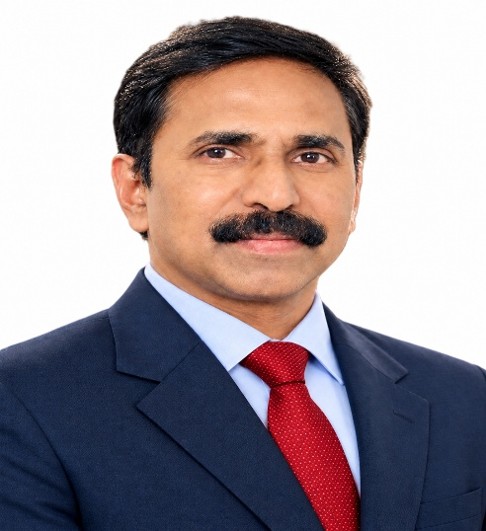
Our students excel in academics, research, innovation, sports, entrepreneurship, and national competitions, making a meaningful impact both on campus and beyond.

Dr. Prakash Bethapudi

Professor & Head of Department

Department of Artificial Intelligence & Machine Learning

Department of CSE–Artificial Intelligence and Machine Learning is headed by Dr. Prakash Bethapudi. He holds a Ph.D from Acharya Nagarjuna University and M.Tech from Andhra University. He has 22+ years of experience in teaching, research, and administration. His areas of interest include Image Processing, Artificial Intelligence, Data Mining. Machine Learning and IoT. He serves as Editorial Board Member and Reviewer for several National and International Journals.

His previous assignments include Professor at Andhra University, Visakhapatnam, Associate Professor at GITAM Deemed to be University, Visakhapatnam, Associate Professor, Professor & HoD (CSE, IT & DS) Vignan Group of Institutions, Hyderabad, Viskhapatnam and Principal for Vignan’s Institute of Engineering for Women, Visakhapatnam.

Vision Statement

To impart quality technical education by promoting globally competent professionals with values towards Research, Higher Education and Entrepreneur skills to meet Industry and Societal needs.

Missions Statement

  • To impart Quality Education through state of the art curriculum and provide competent learning environment.
  • To promote Globally competent professionals to meet Societal and Industry needs.
  • To build Leadership skills and a friendly ecosystem that maintain ethical impact and standards.

B.Tech - Artificial Intelligence & Machine Learning

Program Education Objective (PEOs)

PEO1: Graduates will be able to gain expertise in core Artificial Intelligence & Machine Learning concepts and work effectively as an individual towards successful career.

PEO2: Graduates will be able to design, develop and implement economically feasible and socially acceptable IT-Solutions.

PEO3: Graduates will be able to improve research, pursue higher studies and improve skills towards entrepreneurship.

Program Specific Outcomes

PSO1: Apply core and advanced principles of Artificial Intelligence and Machine Learning to analyze, design, develop, and implement efficient software, hardware, and network solutions for real-world problems

PSO2: Integrate Knowledge and apply modern IT tools and techniques to address complex engineering problems and improve innovation and establish Entrepreneurshi skills.

Program Outcomes (POs)

PO1: Engineering Knowledge: Apply knowledge of mathematics, natural science, computing, engineering fundamentals and an engineering specialization to develop solutions to complex engineering problems.

PO2: Problem Analysis: Identify, formulate, review research literature and analyze complex engineering problems reaching substantiated conclusions with consideration for sustainable development.

PO3: Design/Development of Solutions: Design creative solutions for complex engineering problems and design/develop systems/components/processes to meet identified needs with consideration for the public health and safety, whole-life cost, net zero carbon, culture, society and environment as required.

PO4: Conduct Investigations of Complex Problems: Conduct investigations of complex engineering problems using research-based knowledge including design of experiments, modelling, analysis & interpretation of data to provide valid conclusions.

PO5: Engineering Tool Usage: Create, select and apply appropriate techniques, resources and modern engineering & IT tools, including prediction and modelling recognizing their limitations to solve complex engineering problems.

PO6: The Engineer and The World:Analyze and evaluate societal and environmental aspects while solving complex engineering problems for their impact on sustainability with reference to economy, health, safety, legal framework, culture and environment.

PO7: Ethics: Apply ethical principles and commit to professional ethics, human values, diversity and inclusion; adhere to national & international laws.

PO8: Individual and Collaborative Teamwork: Function effectively as an individual, and as a member or leader in diverse/multi-disciplinary teams.

PO9: Communication: Communicate effectively and inclusively within the engineering community and society at large, such as being able to comprehend and write effective reports and design documentation, make effective presentations considering cultural, language, and learning differences

PO10: Project Management and Finance: Apply knowledge and understanding of engineering management principles and economic decision-making and apply these to one’s own work, as a member and leader in a team, and to manage projects and in multidisciplinary environments.

PO11: Life-Long Learning: Recognize the need for, and have the preparation and ability for

  1. independent and life-long learning
  2. adaptability to new and emerging technologies and
  3. critical thinking in the broadest context of technological change.

Curriculum

Click on a course name below for viewing the course description and course outcomes.

II Year

I Semester

20 Credits
S.No.Course CodeCourse TitleLTPCredits
1R232130Discrete Mathematics & Graph Theory3003
2R232131Universal Human Values – Understanding Harmony and Ethical Human Conduct2103
3R232138Artificial Intelligence3003
4R232133Advanced Data Structures & Algorithms Analysis3003
5R232134Object Oriented Programming Through Java3003
6R232135LAdvanced Data Structures and Algorithms Lab0031.5
7R232136LObject Oriented Programming Through Java Lab0031.5
8R232108Python Programming (SEC-1)0122
9R232137Design Thinking & Innovation0122
Total162820
II Year

II Semester

19 Credits
S.No.Course CodeCourse TitleLTPCredits
1R232239Optimization Techniques2002
2R232231Probability & Statistics3003
3R232242Machine Learning3003
4R232234Database Management Systems3003
5R232243Digital Logic & Computer Organization3003
6R232244LMachine Learning Lab0031.5
7R232237LDatabase Management Systems Lab0031.5
8R232238Full Stack Development-10122
9R232241Environmental Science2000
Total161819
Mandatory Internship: Community Service Project Internship of 08 weeks duration during summer vacation.
III Year

I Semester

23 Credits
S.No.Course CodeCourse TitleLTPCredits
1R233149Deep Learning3003
2R233137Computer Networks3003
3R233150Operating Systems3003
4PROFESSIONAL ELECTIVE – I3003
–R233151BCloud Computing––––
5R233105AEntrepreneurship Development & Venture Creation3003
6R233153LDeep Learning Lab0031.5
7R2331142LComputer Networks Lab0031.5
8R233143Full Stack Development - 20122
9R233144User Interface Design using Flutter0021
10R233110Evaluation of Community Service Project Internship–––2
Total1511023
MCStudent may select from the Same Minor Pool3034.5
MCMinor Course through SWAYAM / NPTEL (Minimum 12 Week, 3 credit course)3003
HCStudent may select from the Same Honors Pool3003
III Year

II Semester

23 Credits
S.No.Course CodeCourse TitleLTPCredits
1R233253Natural Language Processing3003
2R233254Information Retrieval Systems3003
3R233255Data Visualization3003
4PROFESSIONAL ELECTIVE – II3003
–R233256BCryptography & Network Security––––
5PROFESSIONAL ELECTIVE – III3003
–R233257ASoftware Project Management––––
6R233206ADisaster Management––––
7R233259LInformation Retrieval Systems Lab0031.5
8R233260LData Visualization Lab0031.5
9R233248Soft Skills0122
10R233210Technical Paper Writing & IPR0021
Total201823
MCStudent may select from the same minor pool3034.5
MCMinor Course (Student may select from the same specialized minors pool)3003
HCStudent may select from the same honors pool3003
HCHonors Course (Student may select from the honors pool)3003
IV Year

I Semester

21 Credits
S.No.Course CodeCourse TitleLTPCredits
1R23PC4144Reinforcement Learning3003
2R23MC4133Human Resource & Project Management2002
3R23PE415C Professional Elective: Quantum Computing
OR Any of the 12-Week SWAYAM / NPTEL Course suggested by the BoS (R23415E)
3003
4R23PE4146CHigh Performance Computing3003
5R23OE4105ABuilding Materials For Engineers3003
6R23OE4130CEmbedded Systems3003
7R23PC4138 Prompt Engineering / SWAYAM Plus-Certificate Program in Prompt Engineering and ChatGPT0122
8R23AC4108Constitution of India2000
9R23PC4109Evaluation of Industry Internship / Mini Project0002
Total1910221
IV Year

II Semester

12 Credits
S.No.Course CodeCourse TitleContact Hours / WeekCreditsScheme of Valuation
LTPCIESEETotal
1— Internship / Project Work
Full semester Internship / Project Work
00241260140200
Total00241260140200

Diploma - DAIM

Program Education Objective (PEOs)

Artificial Intelligence and Machine learning Engineering programme is ever changing to transform students into competent professionals with qualities, ethics and human values. On completion of the programme, the students should have acquired the following characteristics

PEO1: To produce best Diploma in Artificial Intelligence and Machine learning technicians by correlating growing need of the industries in modern topics with the academic input and giving the technical knowledge for further learning.

PEO2: To prepare the students as productive Artificial Intelligence and Machine learning Engineers, possessing supportive and leadership skill in multi-disciplinary domains, expertise in Practical orientation, Communication Skills and latest developments.

PEO3: To give the depth of related skills and expertise in a single field, and the ability to collaborate with other disciplines and work at the Supervisory cadre.

PEO4: To promote the students in professionalism, by successful completion of the Diploma IN Artificial Intelligence and Machine learning by emphasizing Field Practices in industry-oriented activities.

PEO5: To sensitize the students on social and economic commitment and to inculcate a nature to guard the values of community and protect environment.

Program Specific Outcomes

PSO1: Foundation of Computer System: Ability to understand the principles and working of computer systems and can assess the hardware and software aspects of computer systems.

PSO2: Foundations of Artificial Intelligence and Machine learning : Ability to understand the structure and development methodologies of Artificial Intelligence and Machine learning possess professional skills and knowledge of usage of Python in Artificial Intelligence and Machine learning. Familiarity and practical competence with a broad range of Python programming language and open source platforms
PSO3 : Foundation of Mathematical concepts: Ability to apply mathematical methodologies to solve computation task, model real world problem using appropriate data structure and suitable algorithm, methodologies in developing computer related problem solutions as well as apply them in establishing new firms in small scale with the help of experience gained as part of industrial training.

Program Outcomes (POs)

PO1: Basic and Discipline Specific Knowledge: To apply knowledge of mathematics, science and engineering fundamentals and engineering specialization to Engineering Problems.

PO2: Problem Analysis: Identify and analyse well-defined engineering problems using codified standard methods mechanical engineering problems for meaningful solutions

PO3: Design/Development of Solutions: Design solutions for well-defined technical problems and assist with the design of systems components or processes to meet specific needs.

PO4: Engineering tools, Experimentation and Testing: Apply modern engineering tools and appropriate techniques to conduct standard tests and measurements.

PO5: Engineering Practices for Society, Sustainability and Environment: Apply appropriate technology in context of society, sustainability, environment and ethical practices.

PO6: Project Management: Use engineering management principles individually, as a team member or a leader to manage projects and effectively communicate about well-defined engineering activities.

PO7: Life-long Learning: Ability to analyse individual needs and engaging updating in the context of technological changes.

Curriculum

Click on a course name below for viewing the course description and course outcomes.

FIRST YEAR

COMMON FIRST YEAR CURRICULUM

S.No.Course CodeCourse TitlePeriods / WeekPracticum
(Y/N)
Total Periods
/ Year
CreditsScheme of Examination
TheoryPractical / TutorialDuration
(Hours)
FA
Marks
SA
Marks
Total
Marks
THEORY COURSES
126AM101TEnglish Essentials3—N90433070100
226AM102TEngineering Mathematics-I6—N180633070100
326AM103TEngineering Physics3—N90433070100
426AM104TEngineering Chemistry3—N90433070100
526AM105TPython Programming6—N180633070100
AUDIT COURSE
626AM106ACoding Fundamentals2—Y60—————
PRACTICAL COURSES
726AM107LPython Programming Lab—6N180634060100
826AM108LComputer Hardware Lab—4N120334060100
926AM109LPhysics Lab—3N901.53203050
1026AM110LChemistry Lab—3N—1.53203050
1126AM111LComputer & Digital Skills Lab—3N90334060100
1226AM112CStudent Centric Activities—3N901————
TOTAL2319—126040—310590900

NOTES

Note 1: 0.5 credits will be awarded for student centric activities based on participation in extracurricular activities like NSS/NCC/Clean and Green or Sports/Games.

Note 2: For the Physics Laboratory, half of the first-year students of each programme will attend, while the remaining half will attend the Chemistry Laboratory. Thus, both laboratories will be engaged simultaneously during the three-hour lab session.

Note 3: 26AM101T, 26AM102T, 26AM103T, 26AM104T, 26AM109L, 26AM110L, and 26AM111L are common to all programmes. All the first-year courses are common with computer allied branches, i.e., CME/CCB/CCN/CAI/CIOT.

II YEAR

I SEMESTER (III SEMESTER)

S.No.Course CodeCourse TitlePeriods / WeekPracticum
(Y/N)
Total Periods
/ Semester
CreditsScheme of Examination
TheoryPractical / TutorialDuration
(Hours)
FA
Marks
SA
Marks
Total
Marks
THEORY COURSES
126AM301TData Structures using Python6—N90433070100
226AM302TDatabase Management Systems6—N90433070100
326AM303TOperating Systems6—N90433070100
ELECTIVE COURSES
426AM304EEngineering Mathematics-II3—N45233070100
526AM305EDigital Electronics—————————
626AM306EComputer Organization—————————
AUDIT COURSE
726AM307AMultimedia2—Y30—————
PRACTICAL COURSES
826AM308LData Structures using Python Lab—6N90234060100
926AM309LDBMS Lab—6N60234060100
1026AM310LLINUX Practicals—4Y601.534060100
1126AM311CStudent Centric Activities—3N450.5————
TOTAL2319—63020—240460700

NOTES

Note 1: 0.5 credits will be awarded for student centric activities based on participation in extracurricular activities like NSS/NCC/Clean and Green or Sports/Games.

Note 2: 26AM304E is a common elective to all programmes.

Note 3: 26AM301T and 26AM308L are common with CME/CCB/CCN/CAI.

Note 4: 26AM302T, 26AM305E, 26AM309L, and 26AM310L are common with CME/CCB/CCN/CAI/CIOT.

Note 5: 26AM307A is common with CME/CCB/CAI.

Note 6: 26AM303T and 26AM306E are common with CME/CCB/CCN/CAI.

II YEAR

II SEMESTER (IV SEMESTER)

S.No.Course CodeCourse TitlePeriods / WeekPracticum
(Y/N)
Total Periods
/ Semester
CreditsScheme of Examination
TheoryPractical / TutorialDuration
(Hours)
FA
Marks
SA
Marks
Total
Marks
THEORY COURSES
126AM401TWeb Technologies6—N903.533070100
226AM402TArtificial Intelligence6—N903.533070100
326AM403TMachine Learning6—N903.533070100
ELECTIVE COURSES
426AM404EComputer Vision3—N45233070100
526AM405EComputer Networks—————————
AUDIT COURSE
626AM406ATroubleshooting of Computer Networks2—Y30—————
PRACTICAL COURSES
726AM407LWeb Technologies Lab—6N902.534060100
826AM408LCommunication & Employability Skills—4N60234060100
926AM409LAI using PROLOG Lab—6N902.534060100
1026AM410CStudent Centric Activities—3N450.5————
TOTAL2319—63020—240460700

NOTES

Note 1: 0.5 credits will be awarded for student centric activities based on participation in extracurricular activities like NSS/NCC/Clean and Green or Sports/Games.

Note 2: 26AM408L is a common laboratory to all programmes.

Note 3: 26AM401T and 26AM407L are common with CCB/CME/CAI/CCN.

Note 4: 26AM402T and 26AM409L are common with CAI.

Note 5: 26AM404E is common with CAI.

Note 6: 26AM406A is common with CCB/CIOT/CAI/CME.

III YEAR

I SEMESTER (V SEMESTER)

S.No.Course CodeCourse TitlePeriods / WeekPracticum
(Y/N)
Total Periods
/ Semester
CreditsScheme of Examination
TheoryPractical / TutorialDuration
(Hours)
FA
Marks
SA
Marks
Total
Marks
THEORY COURSES
126AM501TBasics of Quantum Computing6—N90433070100
226AM502TSoftware Engineering6—N90433070100
326AM503TNatural Language Processing6—N90433070100
ELECTIVE COURSES
426AM504EData Science3—N45233070100
526AM505EArtificial Neural Networks & Deep Learning—————————
AUDIT COURSE
626AM506APattern Recognition2—Y30—————
PRACTICAL COURSES
726AM507LNatural Language Processing using Python Lab—4N601.534060100
826AM508LMachine Learning Lab—6N90234060100
926AM509LProject Work—6N90234060100
1026AM510CStudent Centric Activities—3N450.5————
TOTAL2319—63020—240460700

NOTES

Note 1: 0.5 credits will be awarded for student centric activities based on participation in extracurricular activities like NSS/NCC/Clean and Green or Sports/Games.

Note 2: 26AM501T is common with CCB/CIOT/CAI/CME/CCN.

Note 3: 26AM502T is common with CCB/CME.

Note 4: 26AM503T is common with CAI.

Note 5: 26AM506A and 26AM507L are common with CAI.

Note 6: 26AM509L is common with CCB/CIOT/CAI/CME/CCN.

III YEAR

II SEMESTER (VI SEMESTER)

Assessment No.AssessmentUpon Completion ofConducted ByBased OnMax. Marks
—Pre-Assessment 15 Days to 30 Days from the commencement of training Industry Mentor / Faculty Member One month after commencement of training, the mentor shall submit a detailed report to the Principal outlining each candidate's details and observed work culture.—
FORMATIVE ASSESSMENTS
1 Mid Semester Assessment
(Formative Assessment)
After three months
(At Industry)
1. The mentor faculty member concerned

2. Industry Training In-charge
Learning outcomes as given in the scheme of assessment for Industrial Training.

Registration in any one of the following:
NPTEL / SWAYAM / MOOCs / Course Era / Lectera / Caltech / NASSCOM / AP Skill Development / Oxford / HackerRank / Udemy, etc.

Assessment components:
1. Learning
2. Mini Application Development
3. Report Preparation
120
2 Formative Assessment Last month of training
(At Industry)
1. The mentor faculty member concerned

2. Industry Training In-charge
Learning outcomes as given in the scheme of assessment for Industrial Training.

Registration in any one of the following:
NPTEL / SWAYAM / MOOCs / Course Era / Lectera / Caltech / NASSCOM / AP Skill Development / Oxford / HackerRank / Udemy, etc.

Assessment components:
1. Learning
2. Mini Application Development
3. Report Preparation
120
SUMMATIVE ASSESSMENT
3 Summative Assessment After completion of the training
(At Institution)
1. The faculty member concerned

2. HoD concerned

3. An external examiner from Industry
Demonstration of any one of the skills listed in learning outcomes30
Training Report20
Viva Voce10
TOTAL300

ASSESSMENT AND PASSING CRITERIA

Maximum Marks: The Industrial Training shall carry a maximum of 300 marks.

Passing Criteria: A candidate must secure at least 50% marks in the first and second assessments put together and also at least 50% marks in the final Summative Assessment at the institution level.

Formative Assessment: Assessment Nos. 1 and 2 carry 120 marks each, making a combined total of 240 marks.

Summative Assessment: The final assessment carries 60 marks, distributed as follows: Demonstration – 30 marks, Training Report – 20 marks, and Viva Voce – 10 marks.

Meet the Faculty of Artificial Intelligence & Machine Learning

Faculty with specialised knowledge in Artificial Intelligence and Machine Learning, contributing to academic learning, research and project development.

Dr .B. Prakash

Professor, HOD

Dr.A.Srirama Kanaka Ratnam

Professor
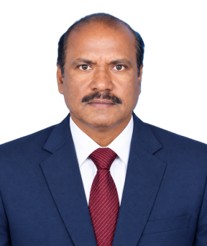
Dr.T.Chalama Reddy

Professor
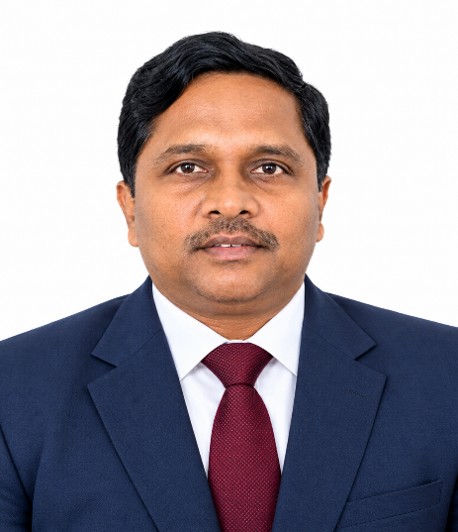
Dr.T. Venkateswarlu

Associate Professor
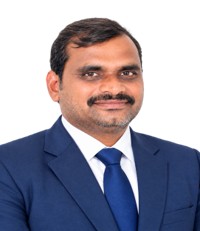
Mr.Elika Sambasiva Rao

Assistant professor
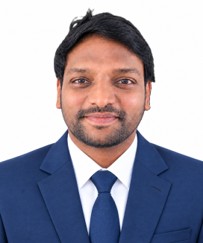
Mr.M.Chennakesava Rao

Assistant professor

Mr.Kancharla K Chaitanya

Assistant professor

Mr.Mutyala Satish

Assistant professor

Mrs.M Lakshmi Tirupatamma

Assistant professor
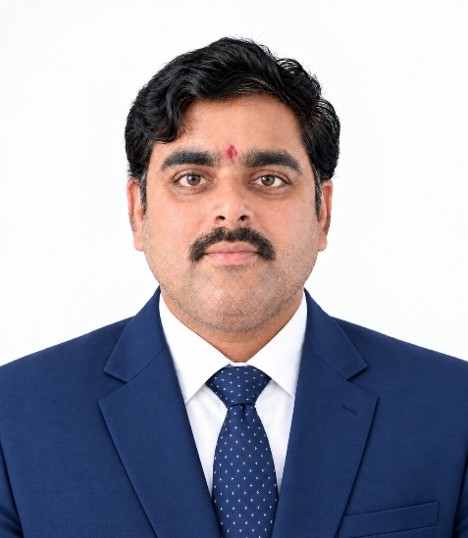
Mr.Manchalla Ashok Nagasai

Assistant professor
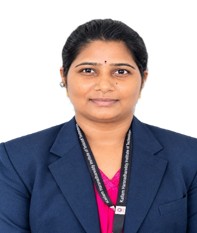
Mrs.Thadiboina Sowjanya

Assistant professor

Mrs.ALakshmi Rajeswari

Assistant professor
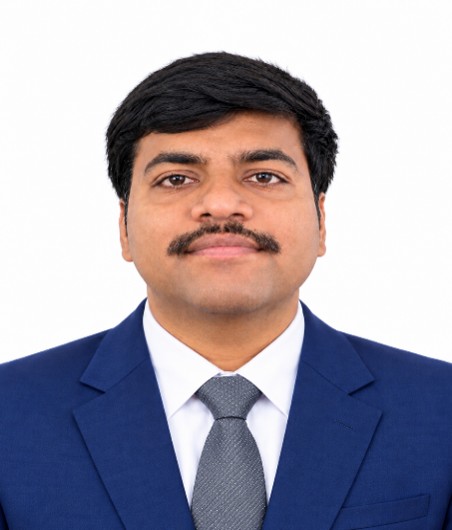
Mr.Kativarapu Vinod

Assistant professor
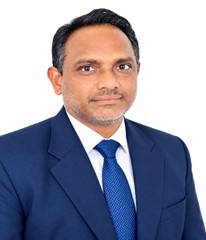
Mr.P.Bhagavandas

Assistant professor
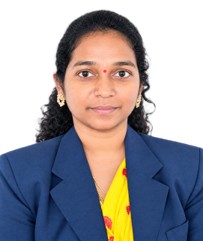
Mrs.Alekhya Thirumalasetty

Assistant professor
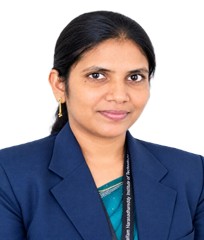
Mrs.N Rajya Lakshmi Prasanna

Assistant professor

Mr.Y Leela Krishna

Assistant professor

Mr.G Mahesh

Assistant professor

Mrs.Sirisha Konakala

Assistant professor
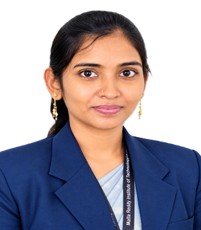
Mrs.Sk Afroz

Assistant professor
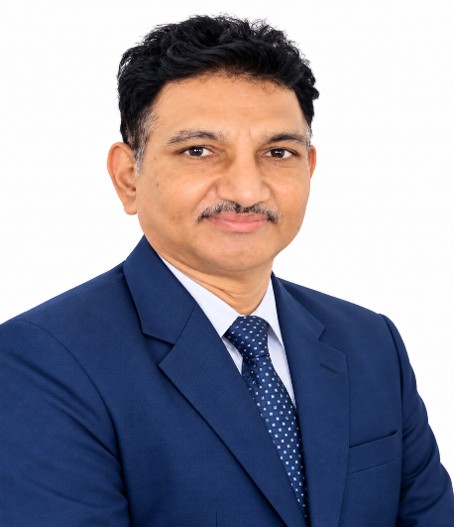
Mr.G.Haranadha Babu

Assistant professor
Lingisetty Ramesh

Programmer
Aguru Sindhuja

Programmer
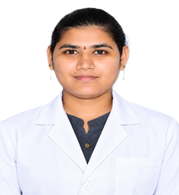
Varagani Naga Lakshmi Pavani,

Programmer
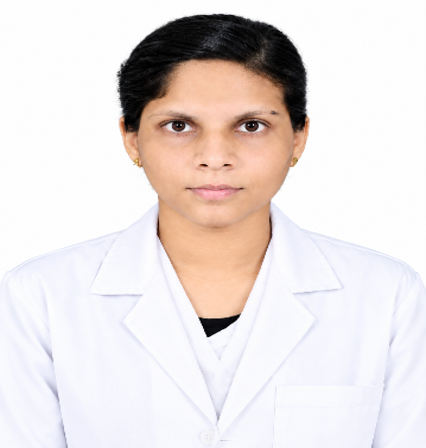
T.Sudha Rani

Programmer

LABORATORIES

Explore Our AI & ML Laboratories
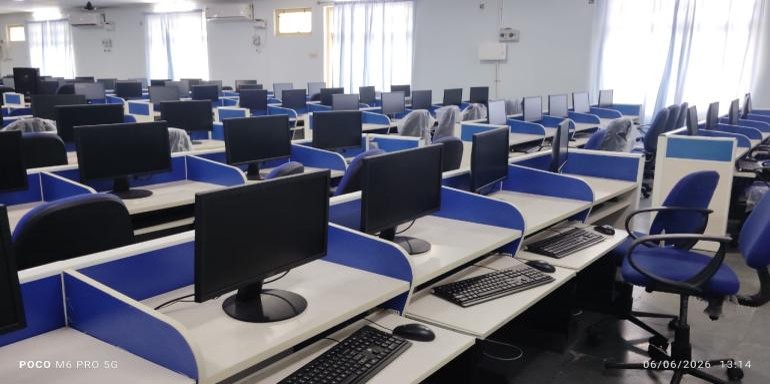
Dedicated laboratories give students hands-on experience with AI platforms, computational tools and real-world applications through experimentation and project work

Programming in C Lab & Data Structures Lab
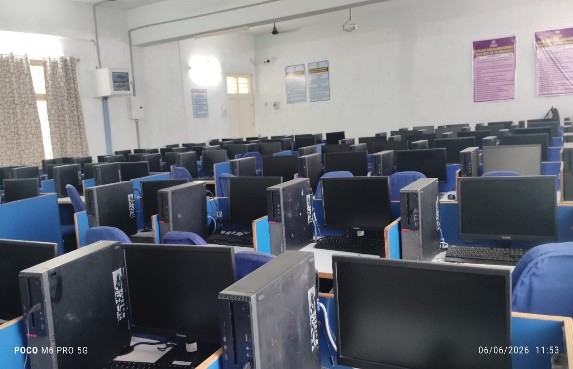
DBMS Lab & OS Lab
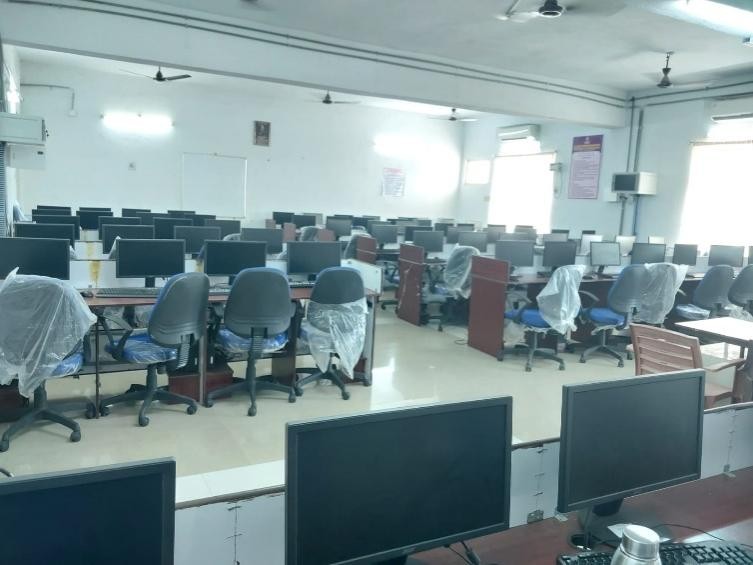
OS Lab & SEC Lab
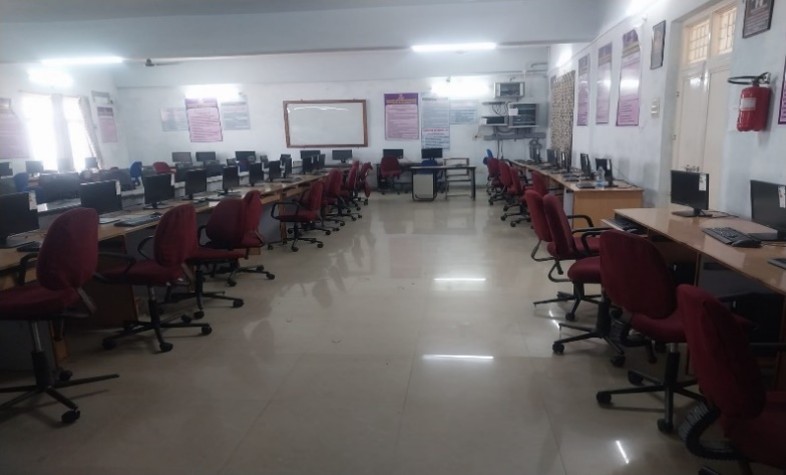
CNS Lab & CC Lab

Automatic Control and Computer Sciences
1 Hybrid Machine Learning Approach for Phishing URL Detection Dr. B. Prakash Automatic Control and Computer Sciences July, 2025 1464116
Asian Conference on Intelligent Technologies
2 Fuzzy Logic-Genetic Algorithm Framework for Energy Efficient Task Scheduling in IOT Enabled Fog Cloud Networks
National Journal of Antennas and Propagation
Analyzing the Impact of Personalized Emotion Recognition on Academic Success of University Students using AVO and HO-MWNN Neural Models

Pioneers of research and Innovations

Publication Count
0 +
Patents filed
0 +
No. of Funded Projects
0 +
Granted files
0 +
ARTIFICIAL INTELLIGENCE & MACHINE LEARNING

Research Publications

Faculty Research & Publication Records

03 Publications
S. No.Paper TitleFaculty NameJournal / ConferenceMonth & YearISSN / ISBN
01 Hybrid Machine Learning Approach for Phishing URL Detection Dr. B. Prakash Automatic Control and Computer Sciences July, 2025 1464116
02 Fuzzy Logic-Genetic Algorithm Framework for Energy Efficient Task Scheduling in IOT Enabled Fog Cloud Networks Dr. B. Prakash Asian Conference on Intelligent Technologies Oct, 2025 -
03 Analyzing the Impact of Personalized Emotion Recognition on Academic Success of University Students using AVO and HO-MWNN Neural Models Dr. T. Venkateswarlu National Journal of Antennas and Propagation Mar, 2026 25822659 Aiml
TOP RECRUITERS

Trusted by Leading Industry Partners

Our students are recruited by renowned national and multinational companies across diverse industries.

Trusted by Leading Recruiters

0 +

Placement Rate

0 LPA

Average Package

0 +

Recruiting Companies

0 LPA

Highest Package

Computer Science and Engineering (Artificial Intelligence & Machine Learning)

Board of Studies (BoS) Members

S. No.BOS HierarchyName, Designation of the Member & Affiliation
1Chairman
Dr. B. Prakash
Professor & HOD, Department of CSE (AI&ML), KHIT, Guntur. Email: [email protected]
Mobile: 9391593939
2University Nominee
Prof. N. Rama Krishnaiah
Professor, Department of CSE, University College of Engineering, JNTUK, Kakinada. Email: [email protected]
Mobile: 7032402555
3Outside Subject Expert
Dr. Annavarapu Chandra Sekhara Rao
Associate Professor, Department of CSE, IIT Dhanbad, Jharkhand. Email: [email protected]
Mobile: 9471191414
4Outside Subject Expert
Dr. Prof. Raju Bhukya
Associate Professor, Department of CSE, NIT Warangal, Hanumkonda, Telangana. Email: [email protected]
Profile: View Profile
Mobile: 9700553922
5Industry Expert
Dr. Venkata Satya Ram Prasad Varma Kamadi
Senior Technical Architect, HCL America, New York, USA. Email: [email protected]
Mobile (India): 9962449949
Mobile (USA): 585-964-7752
6Meritorious UG Alumni
Mr. Sakala Ronik Kumar
Associate Software Engineer, Sieva Networks Solutions, Kerala. Email: [email protected]
Mobile: 9100639575
7Senior Faculty
Dr. A. Sriram Kanaka Ratnam
Professor, Department of CSE (AI&ML), Kallam Haranadhareddy Institute of Technology. Email: [email protected]
Mobile: 9885558484
8Coordinator
Mr. M. Chennakesava Rao
Assistant Professor, Department of CSE (AI&ML), Kallam Haranadhareddy Institute of Technology. Email: [email protected]
Mobile: 8297927273
STUDENT SUCCESS

Student Progress in AI & Machine Learning

Showcasing how students translate their learning into meaningful work, technical accomplishments and contributions within the field.

6 LPA

Veeramalla Ravi Kumar

Artificial intelligence & Machine Learning | 2024

6 LPA

Malli Reddy Tharun Akash Reddy

Artificial intelligence & Machine Learning | 2024

4.2

G. Poojitha

Artificial intelligence & Machine Learning | 2024

4 LPA

Shaik Umme Salma

Artificial intelligence & Machine Learning | 2024

2.7 LPA

Ravi Lakshmi Sai Varun

Artificial intelligence & Machine Learning | 2025-26

4 LPA

AVULA GOWTHAM REDDY

Artificial intelligence & Machine Learning | 2025-26

2.7 LPA

Bannaravuri Triveni

Artificial intelligence & Machine Learning | 2025-26

3 LPA

Bathini Venkata Rohit

Artificial intelligence & Machine Learning | 2025-26

4 LPA

Bathula Krishna Priyanka

Artificial intelligence & Machine Learning | 2025-26

2.7 LPA

BATHULA SHANMUKHA SRIRAM

Artificial intelligence & Machine Learning | 2025-26

2.5 LPA

Bayapuri srinivasa Prasanna Kumar

Artificial intelligence & Machine Learning | 2025-26

2.7 LPA

BATHULA SHANMUKHA SRIRAM

Artificial intelligence & Machine Learning | 2025-26

2.7 LPA

Bollepalli Teja

Artificial intelligence & Machine Learning | 2025-26

2.7 LPA

Boragadda Srinadh

Artificial intelligence & Machine Learning | 2025-26

2.7 LPA

Boragadda Srinadh

Artificial intelligence & Machine Learning | 2025-26

3 LPA

CHALLA SIVA DURGA PRASAD

Artificial intelligence & Machine Learning | 2025-26

2.7 LPA

Chintalapudi Abhinav

Artificial intelligence & Machine Learning | 2025-26

2.7 LPA

CHINTAPALLI AARYA

Artificial intelligence & Machine Learning | 2025-26

2.7 LPA

CHINTAPALLI ESWAR

Artificial intelligence & Machine Learning | 2025-26

4 LPA

Dhavaleswarapu keerthi

Artificial intelligence & Machine Learning | 2025-26

4 LPA

GANNEBOINA MANUSHA

Artificial intelligence & Machine Learning | 2025-26

3 LPA

Gunji santosh kumar

Computer Science Engineering | 2025-26

3 LPA

Gunturu Dhana Sree

Computer Science Engineering | 2025-26

3 LPA

GUNTURU MUKESH

Computer Science Engineering | 2025-26

3 LPA

JAGADALA DURGA PRASANNA

Computer Science Engineering | 2025-26

3 LPA

JANJANAM YUVASREYA SREE

Computer Science Engineering | 2025-26

4 LPA

Atluri Nitin Reddy

Computer Science Engineering | 2025-26

4 LPA

Bezawada vandana

Computer Science Engineering | 2025-26

4 LPA

MOTUPALLI SAI VENKATA HEMALATHA

Computer Science Engineering | 2025-26
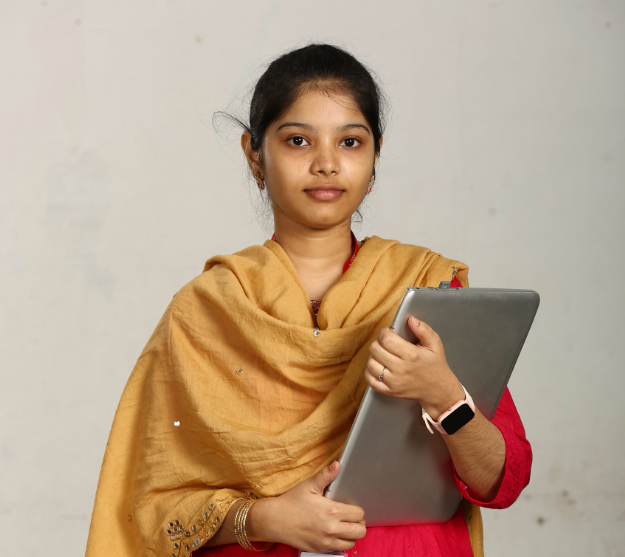
3 LPA

MUDAMANCHU ASHOK

Computer Science Engineering | 2025-26

Highest Package

₹9 LPA

Placed At United Airlines

Highest package achieved by our Students

Chokka Lakshmi Jahnavi

Artificial intelligence & Machine Learning | 2024-25

Top Achievers
Scroll to Top