
Header Image
EAPCET, PGECET, ECET,
ICET & POLYCET
CODE:
KHIT
☎ 89777 06100, 89777 06101

Department of Computer Science & Engineering

Computer Science and Engineering (CSE)

The Department of Computer Science & Engineering at KHIT provides a strong foundation in computing, programming, software development and core areas of computer science. The programme is designed to build technical understanding while giving students opportunities to apply their learning through laboratory work, projects and practical problem-solving.

Students explore areas relevant to the evolving technology landscape while developing the skills required for software and computing careers. Through academic learning, practical experience and exposure to current technologies, the department supports students in preparing for professional opportunities, higher education and further learning in Computer Science & Engineering.

Faculty Members
0 +
Students
0 +
Laboratories
0 +
Publications
0 +
HOD's MESSAGE

A Message from the Head of Department
Our students excel in academics, research, innovation, sports, entrepreneurship, and national competitions, making a meaningful impact both on campus and beyond.

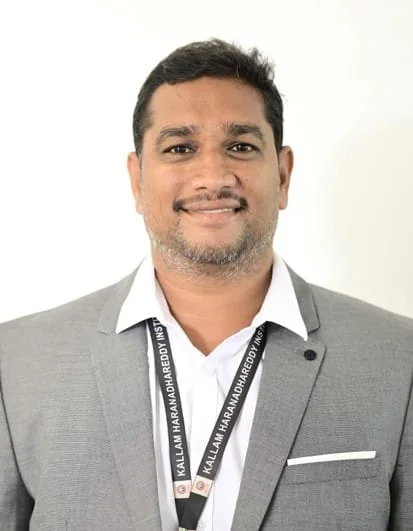
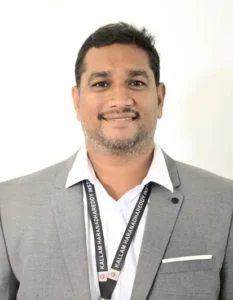
Dr. G. J. Sunny Deol

Professor & Head of Department

Department of Computer Science & Engineering

Computer Science is a field that continues to expand in scope and possibility. Our endeavour is to keep the curriculum contemporary and connected to industry, while encouraging innovation and research. We want students to look beyond prescribed learning, strengthen their technical abilities and confidently pursue their interests within the field.

Vision Statement

To be recognized as a leader in Computer Science and Engineering, fostering innovation, research, and technical excellence to produce globally competent professionals capable of addressing complex computational challenges and contributing to societal progress.

Mission Statement

  • To provide a robust foundation in Computer Science and Engineering by integrating both theoretical and practical dimensions while delivering quality education that aligns with global standards.

  • To equip students with advanced technical and professional skills, enabling them to excel as software developers, researchers, and lifelong learners.
  • To cultivate ethical behavior, leadership qualities, and a commitment to societal well-being among students.

  • To advance the frontiers of knowledge through state-of-the-art research and innovation, creating a vibrant ecosystem for addressing contemporary computational challenges

B.Tech - Computer Science & Engineering

Program Outcomes

POs are statements that describe what students are expected to know and be able to do upon completion of the program. These relate to the skills, knowledge, attitude and analytical ability and behavior that students acquire through the program.

PO1: Engineering Knowledge: Apply knowledge of mathematics, natural science, computing, engineering fundamentals and an engineering specialization to develop solutions to complex engineering problems..

PO2: Problem Analysis: Identify, formulate, review research literature and analyze complex engineering problems reaching substantiated conclusions with consideration for sustainable development.

PO3: Design/Development of Solutions: Design creative solutions for complex engineering problems and design/develop systems/components/processes to meet identified needs with consideration for the public health and safety, whole-life cost, net zero carbon, culture, society and environment as required.

PO4: Conduct Investigations of Complex Problems: Conduct investigations of complex engineering problems using research-based knowledge including design of experiments, modelling, analysis & interpretation of data to provide valid conclusions.

PO5: Engineering Tool Usage: Create, select and apply appropriate techniques, resources and modern engineering & IT tools, including prediction and modelling recognizing their limitations to solve complex engineering problems.

PO6: The Engineer and The World: Analyze and evaluate societal and environmental aspects while solving complex engineering problems for its impact on sustainability with reference to economy, health, safety, legal framework, culture and environment.

PO7: Ethics: Apply ethical principles and commit to professional ethics, human values, diversity and inclusion; adhere to national & international laws.

PO8: Individual and Collaborative Team work: Function effectively as an individual, and as a member or leader in diverse/multi-disciplinary teams.

PO9: Communication: Communicate effectively and inclusively within the engineering community and society at large, such as being able to comprehend and write effective reports and design documentation, make effective presentations considering cultural, language, and learning differences.

PO10: Project Management and Finance: Apply knowledge and understanding of engineering management principles and economic decision-making and apply these to one’s own work, as a member and leader in a team, and to manage projects and in multidisciplinary environments.

PO11: Life-Long Learning: Recognize the need for, and have the preparation and ability for:
i) independent and life-long learning
ii) adaptability to new and emerging technologies and
iii) critical thinking in the broadest context of technological change.

Program Educational Outcomes

PO1: Exhibit strong foundation of knowledge and skills in computer science and engineering, equipped to address complex challenges and contribute to the advancement of technology in a rapidly evolving world.

PO2: Apply engineering principles and advanced computer science knowledge to collaborate and design innovative software solutions, integrating emerging technologies to meet industry and societal needs.

PO3:Communicate effectively, demonstrate professionalism, collaboration, ethical attitude, team spirit and pursue lifelong learning to achieve career, organizational and societal goals.

Program Specific Outcomes

PO1: Graduates are able to apply fundamental and advanced knowledge of computer science and engineering to identify, analyse and develop computational solutions for complex engineering and societal problems using innovative approaches

PO2: Graduates are able to design and develop efficient computational systems by integrating research based domain knowledge and modern tools, transforming ideas into technologically viable and innovative solutions while addressing emerging challenges.

PO3: Graduates are able to demonstrate the ability to function effectively as individuals or as collaborative team members and leaders in multidisciplinary environments, upholding professional ethics and fostering innovation to enhance research capabilities and lifelong learning.

Curriculum

Click on a course name below for viewing the course description and course outcomes.

1ST YEAR

I Semester

22 Credits
S.No.Course CategoryCourse CodeCourse TitleLTPCredits
1HSM—English for Technical Communication3003
2BSC—Linear Algebra and Calculus3003
3BSC—Physics for advanced Computing3003
4ESC—C and Data Structures4004
5BSC—Applied Chemistry for Emerging Technologies3003
6HSM—English for Technical Communication and MOODLE laboratory0031.5
7BSC—Physics for Advanced Computing Lab0031.5
8ESC—C and Data Structures Lab0031.5
9BSC—Applied Chemistry for Emerging Technologies Lab0031.5
10MNC—Universal Human Values2000
Total1511522
1ST YEAR

II Semester

20 Credits
S.No.Course CategoryCourse CodeCourse TitleLTPCredits
1BSC—Differential Equations and Vector Calculus3003
2ESC—AI Tools and Applications0132.5
3ESC—Computational Thinking and Problem Solving using Python3003
4ESC—Digital Logic Design3003
5ESC—Design Thinking and Innovation0132.5
6ESC—Basic Electrical and Electronics Engineering3003
7ESC—Computational Thinking and Problem Solving using Python Lab0031.5
8ESC—IT and Electronics Workshop0031.5
9MNC—NSS/NCC0020
Total1511120
1st semester
2ND YEAR

III Semester

21 Credits
S.No.Course CategoryCourse CodeCourse TitleLTPCredits
1BSC—Discrete Mathematics / Optimization Techniques3003
2HSM—Engineering Economics and Financial Analysis3003
3PCC—Computer Organization3003
4PCC—Object Oriented Programming using Java3003
5PCC—Database Management Systems3003
6PEC—Principles of Artificial Intelligence0031.5
7PCC—Database Management Systems Lab0031.5
8PCC—OOPs Using Java Lab0031.5
9PCC—AI Lab0031.5
10MNC—Environmental Studies2000
Total1701221
S.No.Course CategoryCourse CodeCourse TitleLTPCredits
1BSC—Probability and Statistics3003
2PCC—Operating Systems3003
3PCC—Automata Theory and Compiler Design3003
4PCC—Computer Networks3003
5PCC—Design and Analysis of Algorithms3003
6PEC—Mobile App Development0031.5
7PCC—CN Lab0031.5
8PCC—OS Lab0031.5
9PCC—DAA Lab / CD Lab0031.5
10MNC—Research Methodology0020
Total1501421

Professional Elective

Mobile App Development

A minimum of 6 to 8-Week SWAYAM+ course on Mobile App Development. Student can choose any one of the following:

  • Flutter
  • Android
  • Reactive native
  • Hybrid app development using Technologies like HTML5, CSS3 and Java Script.

OR

  • Mobile App Development using Flutter (off line offered by the Department)

Note: If the course is not available online, then offer the same course through offline.

1st semester
S.No.Course CategoryCourse CodeCourse TitleLTPCredits
1PCC—Cyber Security3003
2PCC—Data warehousing and data mining3003
3PCC—Software Engineering Principles and Practices3003
4PEC—Professional Elective-1 (OnLine)3003
5PEC—Professional Elective-2 (OnLine)3003
6OEC—Open Elective-11001
7PCC—Data warehousing and data mining Lab0031.5
8PCC—Full stack Technologies Lab0031.5
9IPW—Evaluation of industry Internship/CSP/Mini Project*0002
10MNC—Indian Constitution——0—
Total160621

Professional Elective-1

  • Professional Elective-1 (OnLine)
    • Wiser course-1
    • IBM courses-1
    • Swayam/NPTEL 12-week course
  • (or)-Offline

Professional Elective-2

  • Professional Elective-2 (OnLine)
    • Wiser course-2
    • IBM courses-2
    • Swayam/NPTEL 12-week course
  • (or)-Offline
    • Agile Methodologies

Open Elective

S.No.Course CategoryCourse CodeTitleLTPCredits
1PCC—Machine Learning Principles and Practices3003
2PCC—Information Security and Cryptography3003
3PCC—Cloud Computing3003
4PEC—Professional Elective-3 (OnLine)3003
5PEC—Professional Elective-4 (OnLine)3003
6OEC—Open Elective-2/SWAYAM/NPTEL 8week MOOC2002
7PCC—Machine Learning Techniques Lab0031.5
8PCC—Information Security & Cryptography Lab0031.5
9OEC—Open Elective-31001
10MNC-6—Essence of Indian Traditional Knowledge————
Total18—621

Professional Elective-3

  • Wisercourse-3
  • IBMcourses-3
  • Swayam/NPTEL12-weekcourse

Professional Elective-4

Professional Elective-4 (OnLine)

  • IBMcourses-4
  • Swayam/NPTEL12-weekcourse

(or)-Offline

    • Ethical Hacking and Penetration Testing
    • Block Chain Technology

Open Elective

Open Elective-2/SWAYAM/NPTEL 8week MOOC

Open Elective-3

Note :- Industry Internship/Mini Project of 06 weeks duration during summer vacatione

1st semester
S.No.Course CategoryCourse CodeTitleLTPCredits
1PCC—Internet of Things: Principles and Applications3003
2PCC—Deep Learning3003
3PEC—Professional Elective-73003
4PEC—Professional Elective-83003
5PEC—Professional Elective-93003
6PEC—Professional Elective-100021
7OEC—Open Elective-42002
8OEC—Open Elective-52001
9IPW—Evaluation of Industry Internship/Mini Project0002
Total190221

Professional Elective-7

    • Software Architecture and Design Patterns
    • Generative AI
    • Artificial Intelligence and Neural Networks
    • Cyber Physical Systems
    • Swayam/NPTEL related course

Professional Elective-8

  • NoSQL Databases
  • Introduction to LLM
  • Reinforcement Learning
  • Blockchain Technologies
  • Swayam/NPTEL related course

Professional Elective-9

  • Software Quality Assurance and Testing
  • AI Agents and Agentic AI
  • Natural Language Processing
  • Digital Forensics
  • Swayam/NPTEL related course

Professional Elective-10:

Soft skills & Employability offered by Swayam Plus

Open Elective-4
Open Elective-5

*Includes evaluation of mini project

S.No.Course CategoryCourse CodeTitleLTPCredits
1OEC—Open Elective 6/SWAYAM/NPTEL 12 week course3003
2OEC—Open Elective 7/SWAYAM/NPTEL 8 week course2002
3IPW—Project work / Industry Internship———12
Total50017

M.Tech - Computer Science & Engineering

Diploma - Computer Science & Engineering

Meet Our Expert Faculty

Our experienced faculty members are dedicated to academic excellence, research, innovation, and mentoring students for successful careers..

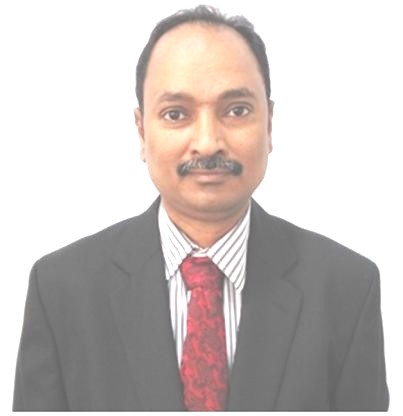
Dr. G. J. Sunny Deol

Professor, HOD

Dr. Md Umar Khan

Professor
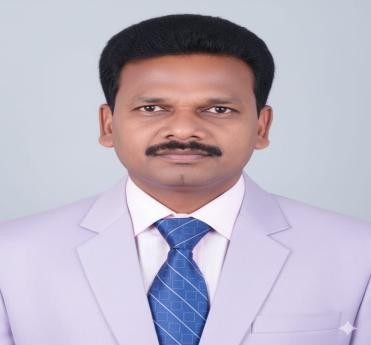
Dr. G Venkateswara Rao

Professor
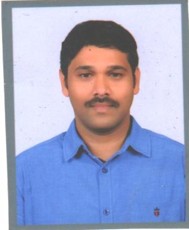
Dr. Vamsi Krishna Kapu

Associate Professor
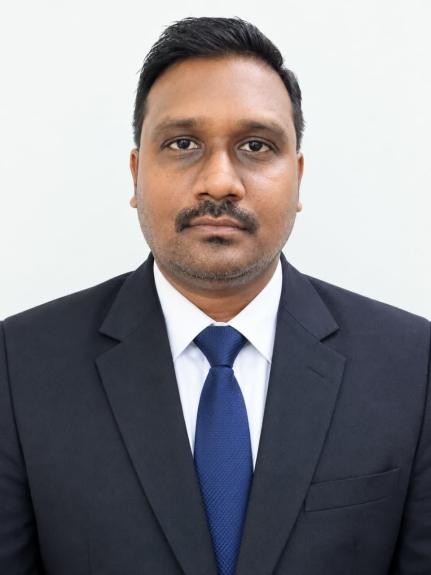
Dr. K. Suneel Kumar

Associate Professor
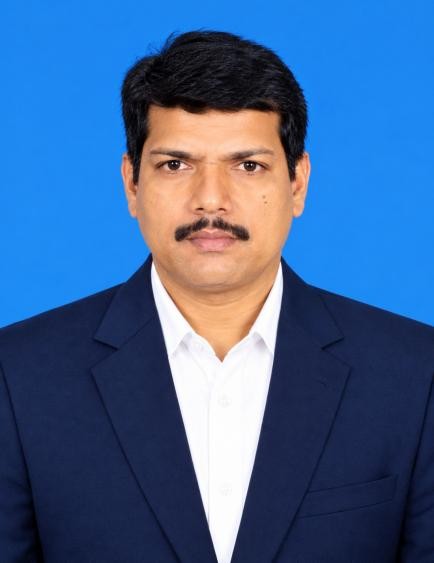
Dr. G Manthru Naik

Associate Professor
Dr. M Koteswara Rao

Associate Professor
Mr. Chukka Samsonu

Associate Professor
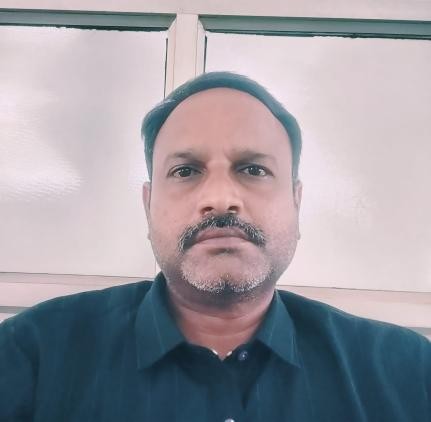
Mr. A Sudarsan Reddy

Associate Professor
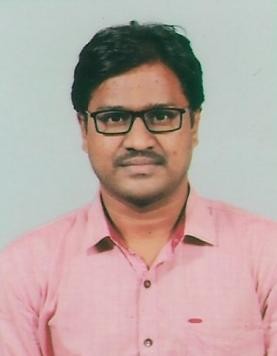
Mr. S Suresh Babu

Associate Professor
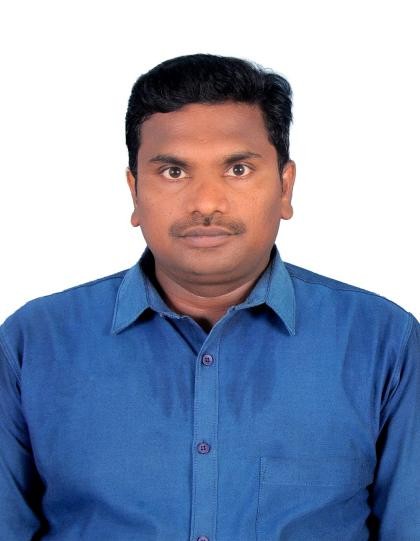
Mr. Darsi Rajesh

Assistant Professor
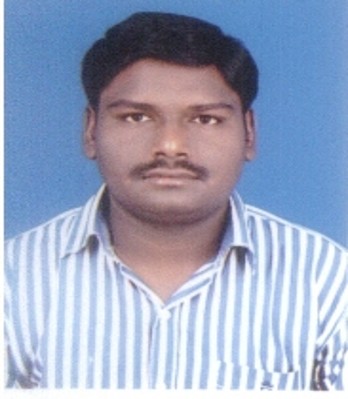
Mr. SK Ahamad Sharif

Assistant Professor
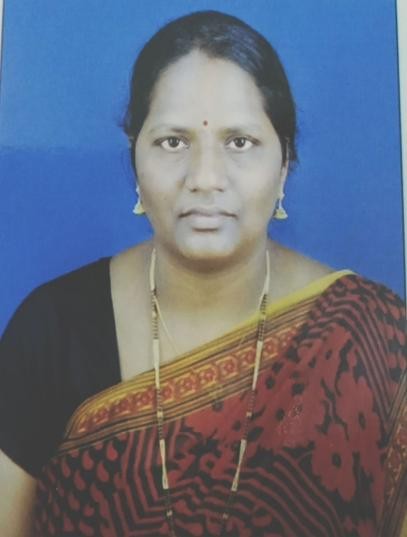
Mrs. Ch Sowjanya

Assistant Professor
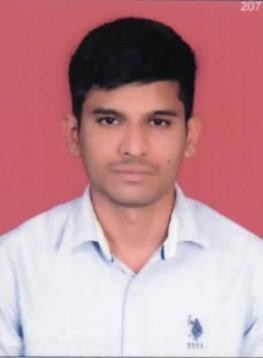
Mr. Ch Chandra Mouli

Assistant Professor
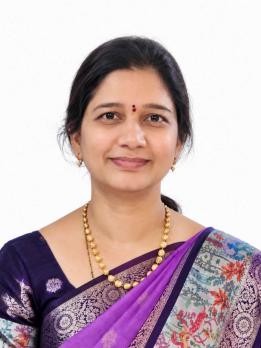
Mrs.R.Akhila

Assistant Professor
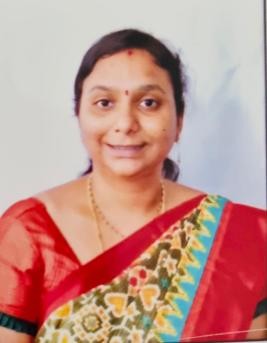
Mrs. G. Sri Lakshmi

Assistant Professor
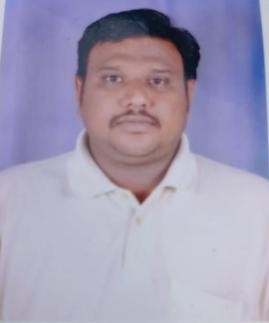
Mr C Sravan

Assistant Professor
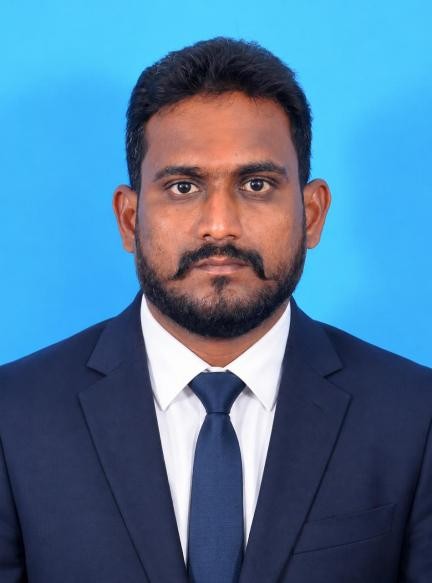
Dr. B. Althaph

Assistant Professor
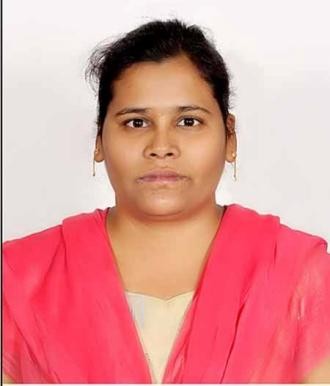
Mrs.B.Koti ratnam

Assistant Professor
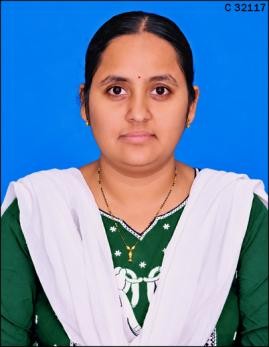
Mrs. K.Renuka Devi

Assistant Professor
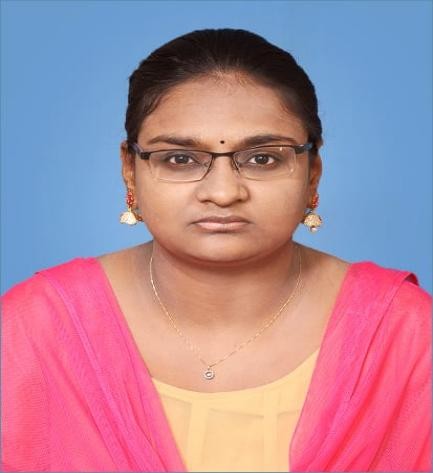
Ms Chirasani Pavani

Assistant Professor
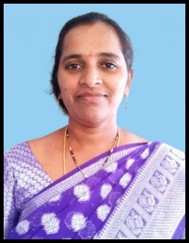
Mrs. K. Prasanthi

Assistant Professor
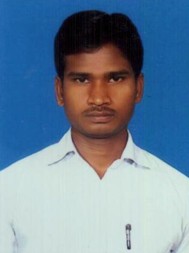
Mr Prasad Rao Medida

Assistant Professor
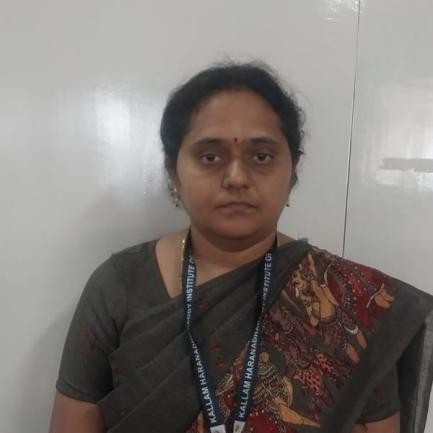
Mrs Lavanya P

Assistant Professor
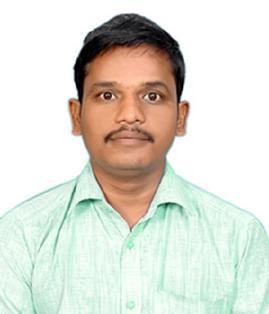
Mr S V Reddy Palleboina

Assistant Professor
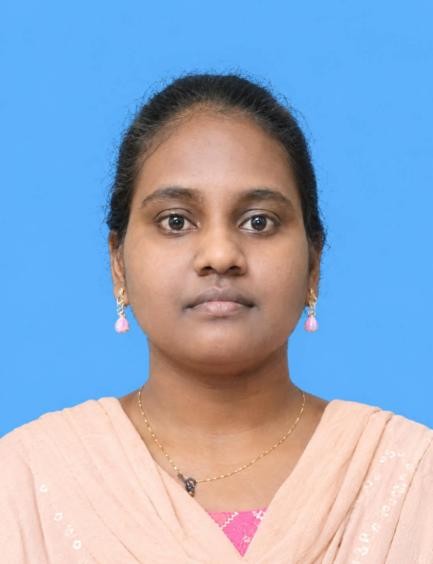
Ms A Prasanna Kumari

Programmer
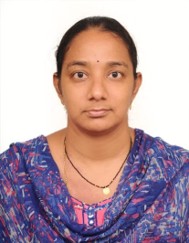
Mrs Ch Gnana Prasanna

Programmer
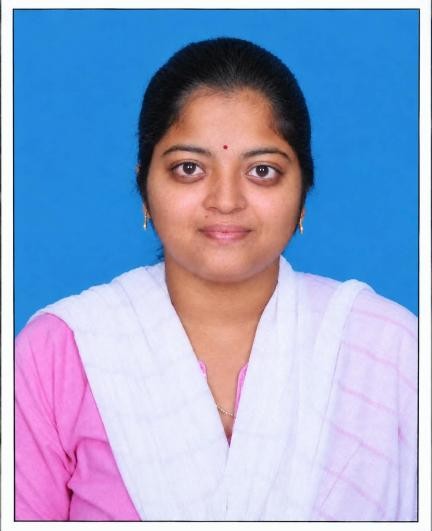
Ms. T. Sindhu

Programmer
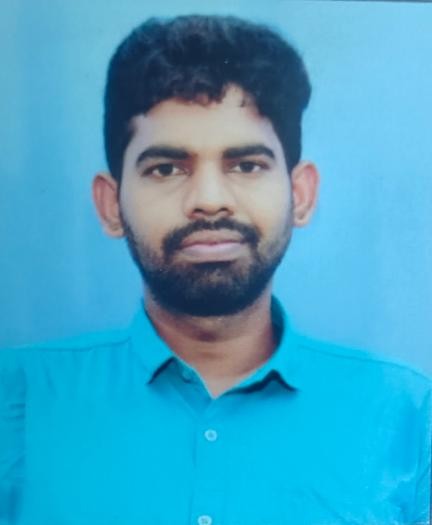
Mr. V Victor Mojesh

Programmer
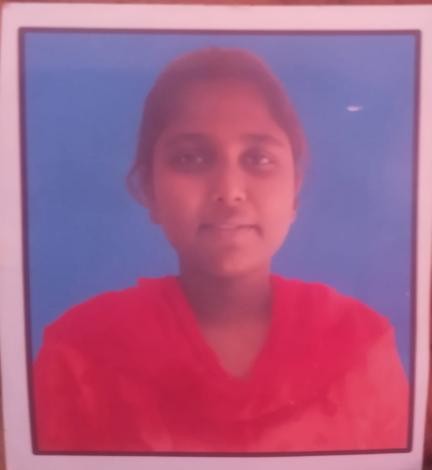
Ms. J Sukanya

Programmer
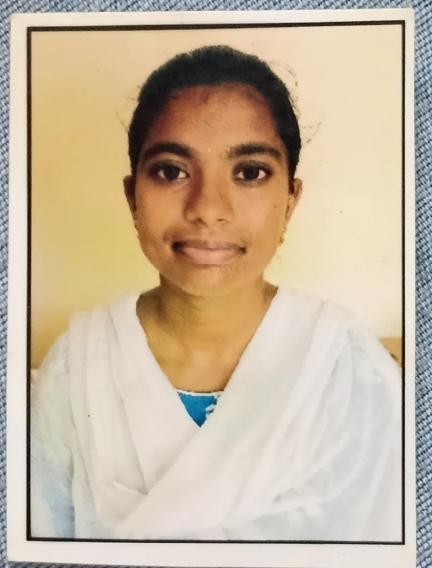
Ms. Y. Maheswari

Programmer
Mrs. K. Bhavani

Programmer
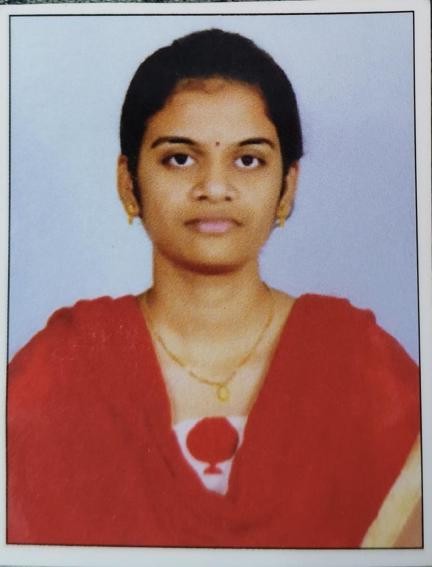
Ms. Raja rajeswari

Programmer
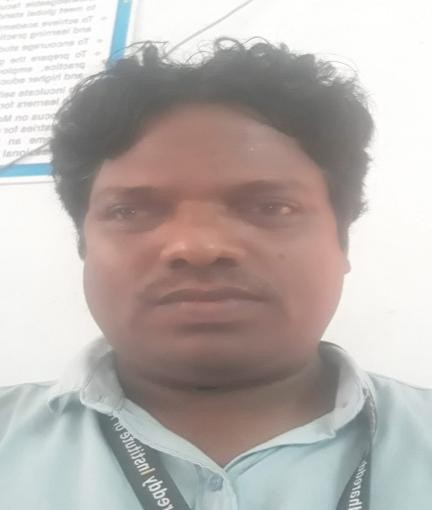
Mr.K. Koteswara Rao

Programmer

LABORATORIES

Explore Our Computer Science & Engineering Laboratories
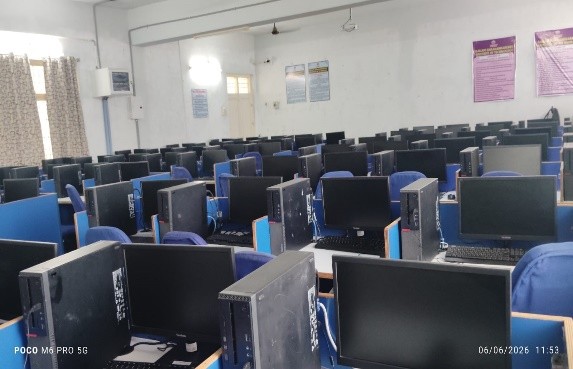
Dedicated laboratories give students hands-on experience with AI platforms, computational tools and real-world applications through experimentation and project work

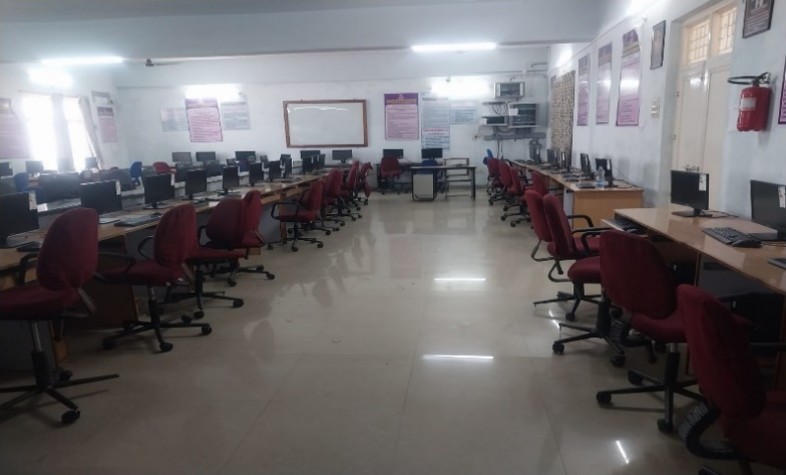
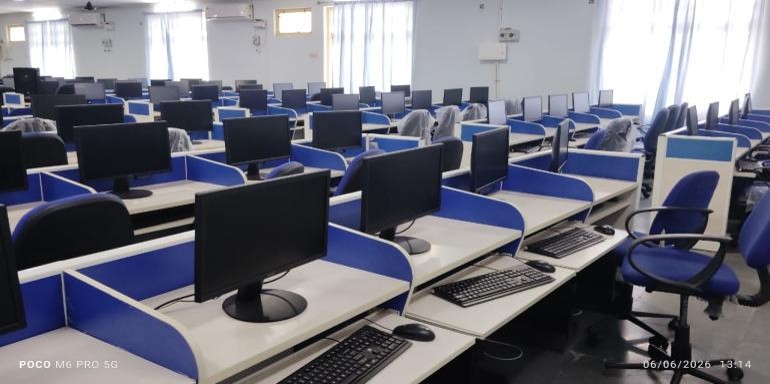
DBMS Lab & OS Lab

CNS Lab & CC Lab

Programming in C Lab & Data Structures Lab
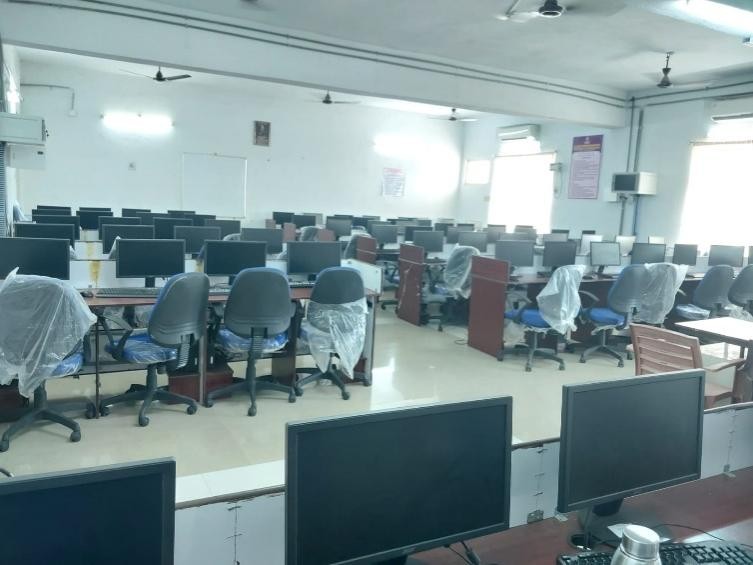
OS Lab & SEC Lab

Slide 1 Heading
Lorem ipsum dolor sit amet consectetur adipiscing elit dolor
Slide 2 Heading
Lorem ipsum dolor sit amet consectetur adipiscing elit dolor
Slide 2 Heading
Lorem ipsum dolor sit amet consectetur adipiscing elit dolor
Slide 3 Heading
Lorem ipsum dolor sit amet consectetur adipiscing elit dolor
Slide 3 Heading
Lorem ipsum dolor sit amet consectetur adipiscing elit dolor

Pioneers of Research and Innovation

Publication Count
0 +
Patents Filed
0 +
Funding projects
0 +
Granted Files
0 +
TOP RECRUITERS

Trusted by Leading Industry Partners

Our students are recruited by renowned national and multinational companies across diverse industries.

Trusted by Leading Recruiters

0 +

Placement Rate

0 +

Average Package

0 +

Recruiting Companies

0 LPA

Highest Package

STUDENT SUCCESS

Celebrating Student Achievements

Our students excel in academics, research, innovation, sports, entrepreneurship, and national competitions, making a meaningful impact both on campus and beyond.

5.3 LPA

Bhoj Krishna Mudunuri

Computer Science Engineering | 2025

5.3 LPA

Athukuri Ramya

Computer Science Engineering | 2025

4.6 LPA

Devireddy Vaishnavi

Computer Science Engineering | 2025

5.3 LPA

Edara Nagarjuna

Computer Science Engineering | 2025

6 LPA

kanneboyina VPm Sravan Kumar

Computer Science Engineering | 2025

7.2 LPA

Kota Jyothi

Computer Science Engineering | 2025

7.2 LPA

Joe Jangala

Computer Science Engineering | 2025

4.5LPA

Chilamalasetty keerthana

Computer Science Engineering | 2025

4.5 LPA

Battula Jahnavi

Computer Science Engineering | 2025

4.5 LPA

Gayalam kusuma Gaytri

Computer Science Engineering | 2025

4.5 LPA

Jasti Sruthi

Computer Science Engineering | 2025

5.3 LPA

Jakkireddy Mahendhra Reddy

Computer Science Engineering | 2025

4.6 LPA

Katroth Prasanna Lakshmibai

Computer Science Engineering | 2025

5 LPA

Arza Ram Deepak Sai

Computer Science Engineering | 2025

3.36 LPA

Putta Anjani

Computer Science Engineering | 2025

6 LPA

Shaik Hafsa Muskan

Computer Science Engineering | 2025

Scroll to Top