
Header Image
KHIT EAPCET, PGECET, ECET,
ICET & POLYCET
KHIT leadership portrait
KHIT

Department of Electronics Communication Engineering

Electronics Communication Engineering

The Department of Electronics & Communication Engineering at KHIT offers B.Tech in ECE and M.Tech in VLSI and Embedded Systems. The department provides a strong academic base in electronics and communication, supported by specialised laboratories that connect technical concepts with practical learning. Students gain exposure to Electronic Circuits, Digital Logic Design, VLSI Design, Signal Processing, Analog and Digital Communication, Electronic Simulation, and Microwave & Optical Communication. The department also works with industry and other organizations through MoU’s that support training and research, while creating opportunities for students to pursue higher studies and professional careers in the field.

Faculty Members
0 +
Students
0 +
Laboratories
0 +
Publications
0 +
HOD's MESSAGE

A Message from the Head of Department
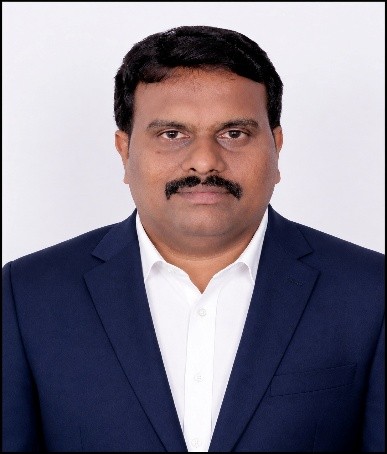
Our students excel in academics, research, innovation, sports, entrepreneurship, and national competitions, making a meaningful impact both on campus and beyond.

Dr.S.Satheesh

Professor & Head of Department

Department of Electronics Communication Engineering

” Electronics & Communication Engineering continues to expand its relevance across communication, intelligent systems and advanced electronics. We encourage students to develop a deeper understanding of the discipline, engage actively with new areas of study and use their academic experience to build a strong foundation for their future.”

Vision Statement

To impart quality technical education to the learners, inculcating the professional skills and knowledge embedded with socio-ethical values in the field of Electronics and Communication Engineering to develop solutions for global challenges.

Missions Statement

  • Imparting quality education through industry relevant curriculum, state-of-the-art laboratories, conducive teaching-learning environment with scope for continuous improvement.
  • Encouraging students to acquire higher qualifications with latest technological developments and to become entrepreneurs.
  • Inculcating the consciousness among students towards ethical values while developing innovative solutions to meet the societal needs and social responsibility.
  • To nurture future leaders through research-infused education and lifelong learning.
  • Preparing students to adopt the lifelong learning needed for a sustainable professional career.

B.Tech - Electronics Communication Engineering

Program Education Objective(PEOs)

PEO1: Exhibit strong foundation in Electronics and Communication engineering principles, enabling them to solve complex engineering problems using analytical, computational, and experimental tools in various Electronics and Communication systems.

PEO2: Apply Electronics and Communication engineering knowledge and innovative thinking in contributing to the design, development and testing of systems that meet societal, industrial and environmental needs.

PEO3: Communicate effectively, demonstrate professionalism, collaboration, ethical attitude, team spirit and pursue lifelong learning to achieve career, organizational and societal goals.

Program Specific Outcomes

PSO1: Apply the concepts of Electronics and Communication engineering to design and develop systems to meet current and future needs of the society.

PSO2: Design and integrate Electronic communication systems using modern techniques and tools to meet societal needs.

PSO3: Develop skills through experiential learning and able to function effectively as an individual or as a team member, fostering innovation and entrepreneurship

Program Outcomes

PO1. Engineering knowledge: Apply the knowledge of mathematics, science, engineering fundamentals, and an engineering specialization to the solution of complex engineering problems.

PO2. Problem analysis: Identify, formulate, review research literature, and analyze complex engineering problems reaching substantiated conclusions using first principles of mathematics, natural sciences, and engineering sciences.

PO3. Design/development of solutions: Design solutions for complex engineering problems and design system components or processes that meet the specified needs with appropriate consideration for the public health and safety, and the cultural, societal, and environmental considerations.

PO4. Conduct investigations of complex problems: Use research-based knowledge and research methods including design of experiments, analysis and interpretation of data, and synthesis of the information to provide valid conclusions.

PO5. Modern tool usage: Create, select, and apply appropriate techniques, resources, and modern engineering and IT tools including prediction and modeling to complex engineering activities with an understanding of the limitations.

PO6. The engineer and society: Apply reasoning informed by the contextual knowledge to assess societal, health, safety, legal and cultural issues and the consequent responsibilities relevant to the professional engineering practice.

PO7. Environment and sustainability: Understand the impact of the professional engineering solutions in societal and environmental contexts, and demonstrate the knowledge of, and need for sustainable development.

PO8. Ethics: Apply ethical principles and commit to professional ethics and responsibilities and norms of the engineering practice.

PO9. Individual and team work: Function effectively as an individual, and as a member or leader in diverse teams, and in multidisciplinary settings.

PO10. Communication: Communicate effectively on complex engineering activities with the engineering community and with society at large, such as, being able to comprehend and write effective reports and design documentation, make effective presentations, and give and receive clear instructions.

PO11. Project management and finance: Demonstrate knowledge and understanding of the engineering and management principles and apply these to one’s own work, as a member and leader in a team, to manage projects and in multidisciplinary environments.

PO12. Life-long learning: Recognize the need for, and have the preparation and ability to engage in independent and life-long learning in the broadest context of technological change.

Curriculum

Click on a course name below for viewing the course description and course outcomes.

1st Year

I Semester

20.5 Credits
S.No.Course CategoryCourse CodeCourse TitleL/DTPCredits
1BS&H—Engineering Physics3003
2BS&H—Linear Algebra & Calculus3003
3Engineering Science—Basic Electrical & Electronics Engineering3003
4Engineering Science—Engineering Graphics1043
5Engineering Science—Introduction to Programming3003
6Engineering Science—IT Workshop0021
7BS&H—Engineering Physics Lab0021
8Engineering Science—Electrical & Electronics Engineering Workshop0031.5
9Engineering Science—Computer Programming Lab0031.5
10BS&H—NSS/NCC/Scouts & Guides/Community Service——10.5
Total13001520.5
1st Year

II Semester

19.5 Credits
S.No.Course CategoryCourse CodeCourse TitleLTPCredits
1BS&H—Communicative English2002
2BS&H—Engineering Chemistry/Chemistry/Fundamental Chemistry3003
3BS&H—Differential Equations & Vector Calculus3003
4Engineering Science—Basic Civil & Mechanical Engineering3003
5Professional Core—Branch Specific3003
6BS&H—Communicative English Lab0021
7BS&H—Engineering Chemistry/Chemistry/Fundamental Chemistry Lab0021
8Engineering Science—Engineering Workshop0031.5
9Professional Core—Branch Specific0031.5
10——Health and Wellness, Yoga and Sports——10.5
Total14001119.5
2nd Year

I Semester

19 Credits
S.No.Course CategoryCourse CodeCourse TitleLTPCredits
1BS—Probability Theory and Stochastic Process3003
2Management Course-I—Managerial Economics and Financial Analysis2002
3Engineering Science—Signals and Systems3003
4Professional Core—Electronic Devices and Circuits3003
5Professional Core—Switching Theory and Logic Design3003
6Professional Core—Electronic Devices and Circuits Lab0031.5
7Professional Core—Switching Theory and Logic Design Lab0031.5
8Skill Enhancement Course—Python Programming0122
9Audit Course—Environmental Science200—
Total1610819
2nd Year

II Semester

22 Credits
S.No.Course CategoryCourse CodeCourse TitleLTPCredits
1HSMC—Universal Human Values – Understanding Harmony and Ethical Human Conduct2103
2Engineering Science—Linear Control Systems3003
3Professional Core—Electromagnetic Waves and Transmission Lines3003
4Professional Core—Electronic Circuit Analysis3003
5Professional Core—Analog Communications3003
6Professional Core—Signals and Systems Lab0031.5
7Professional Core—Electronic Circuit Analysis Lab0031.5
8Skill Enhancement Course—Soft Skills0122
9Engineering Science—Design Thinking & Innovation1022
Total1511022
Mandatory Internship: Community Service Project Internship of 08 weeks during summer vacation.
3rd Year

I Semester

23 Credits
S.No.Course CategoryCourse CodeCourse Title / Elective OptionsLTPCredits
1Professional Core—Analog & Digital IC Applications3003
2Professional Core—Digital Communications3003
3Professional Core—Antennas and Wave Propagation3003
4Professional Elective-I— Professional Elective-I (Choose One)
1. Digital System Design through HDL
2. Optical Communication
3. Electronic Measurements and Instrumentation
4. Computer Organization and Architecture
5. 12-week MOOC Swayam / NPTEL course recommended by the BoS
3003
5Open Elective-I— Open Elective-I (Choose One)
1. Electronic Devices and Circuits
2. Signals and Systems
3. Digital Electronics
4. Artificial Neural Networks
5. Entrepreneurship Development and Venture Creation
3003
6Professional Core—Analog & Digital IC Applications Lab0031.5
7Professional Core—Analog and Digital Communication Lab0031.5
8Skill Enhancement Course—Applications of Lab view for Instrumentation & Communications0122
9Engineering Science—Design of PCB & Antennas Lab0021
10Internship—Evaluation of Community Service Internship———2
Total1511023
3rd Year

II Semester

23 Credits
S.No.Course CategoryCourse CodeCourse Title / Elective OptionsLTPCredits
1Professional Core—VLSI Design3003
2Professional Core—Microprocessors & Microcontrollers3003
3Professional Core—Digital Signal Processing3003
4Professional Elective-II— Professional Elective-II (Choose One)
1. Analog IC Design
2. Satellite Communication
3. Smart and Wireless Instrumentation
4. Machine Learning
5. 12-week MOOC Swayam/NPTEL course recommended by the BoS
3003
5Professional Elective-III— Professional Elective-III (Choose One)
1. Bio Medical Instrumentation
2. Microwave and Radar Engineering
3. Embedded Systems
4. Artificial Intelligence
5. 12-week MOOC Swayam/NPTEL course recommended by the BoS
3003
6Open Elective-II— Open Elective-II (Choose One)
1. Linear and Digital IC Applications
2. Principles of Communications
3. Fundamentals of Microprocessors and Microcontrollers
4. Soft Computing Techniques
3003
7Professional Core—VLSI Design Lab0031.5
8Professional Core—Microprocessors & Microcontrollers Lab0031.5
9Skill Enhancement Course—Machine Learning Lab0122
10Audit Course—Research Methodology and IPR200—
Total2010823
Mandatory Internship: Industry Internship of 08 weeks during summer vacation.
4th Year

I Semester

21 Credits
S.No.Course CategoryCourse CodeCourse Title / Elective OptionsLTPCredits
1Professional Core—Cellular & Mobile Communications3003
2Management Course-II—Management Science2002
3Professional Elective-IV— Professional Elective-IV (Choose One)
1. Low Power VLSI Design
2. Optical Communication
3. PC based Instrumentation
4. Industrial Internet of Things
5. Advanced Digital Signal Processing
3003
4Professional Elective-V— Professional Elective-V (Choose One)
1. Design for Testability
2. Wireless Sensor Networks
3. Industrial Instrumentation
4. Embedded Systems
5. Speech Processing
3003
5Open Elective-III—Open Elective-III3003
6Open Elective-IV—Open Elective-IV3003
7Skill Enhancement Course—Digital Signal and Image Processing Lab0122
8Audit Course—Constitution of India200—
9Internship—Evaluation of Industry Internship———2
Total1910221
4th Year

II Semester

12 Credits
S.No.Course CategoryCourse CodeCourse TitleLTPCredits
1PR—Internship and Project——2412

M.Tech - Electronics Communication Engineering ( VLSI & Embedded Systems)

Diploma - Electronics Communication Engineering

Meet the Faculty of Electronics & Communication Engineering

Faculty supporting students in building a strong understanding of electronics and communication systems, with academic guidance across the specialised areas of the discipline.

Dr.S.Satheesh

Professor & HOD

Dr.B.Ananda Krishna

Professor

Dr.K.Rajkamal

Professor

Dr.S.Sri Jayalakshmi

Associate Professor

Dr.P.Ranjith Kumar

Associate Professo

Dr. M. Sudakar Reddy

Associate Professor

Dr. M. Venkata Naga Chakravarthi

Associate Professor

Mr. K. Srinivasarao

Associate Professor

Mrs. V. Santhi Sri

Associate Professor

Mrs. P. Vijaya

Associate Professor

Mr. B. Ramachandraiah

Assistant Professor

Mr. D. Ramanayudu

Assistant Professor

Mr. A. Manikanth

Assistant Professor

Mr. T. Ravi Kanth

Assistant Professor

Mr. G. Pavan Kumar

Assistant Professor

Mr. A. Rajasekhar Reddy

Assistant Professor

Mrs. M. Rani

Assistant Professor

Mr. M. Sudhir

Assistant Professor

Mr. T. Tirumala Koteswararao

Assistant Professor

Mrs. G. Prasanthi

Assistant Professor

Mr. I. Rama Koteswara Rao

Assistant Professor

Mrs. K. Priyanka

Assistant Professor

Mr. B. Srinu Nayak

Assistant Professor

Mrs. M. Sowreelu

Assistant Professor

Mr. B. Siva Krishna

Assistant Professor

Mr. Sk. Aktahar

Assistant Professor

Mr. D. Raviteja

Assistant Professor

Ms. B. Sujitha

Assistant Professor

Mrs. M. Naga sabari

Assistant Professor

Mrs. K. Priyanka

Assistant Professor

Mrs. B. Madhuri

Assistant Professor

LABORATORIES

Explore Our Electronics & Communication Engineering Laboratories
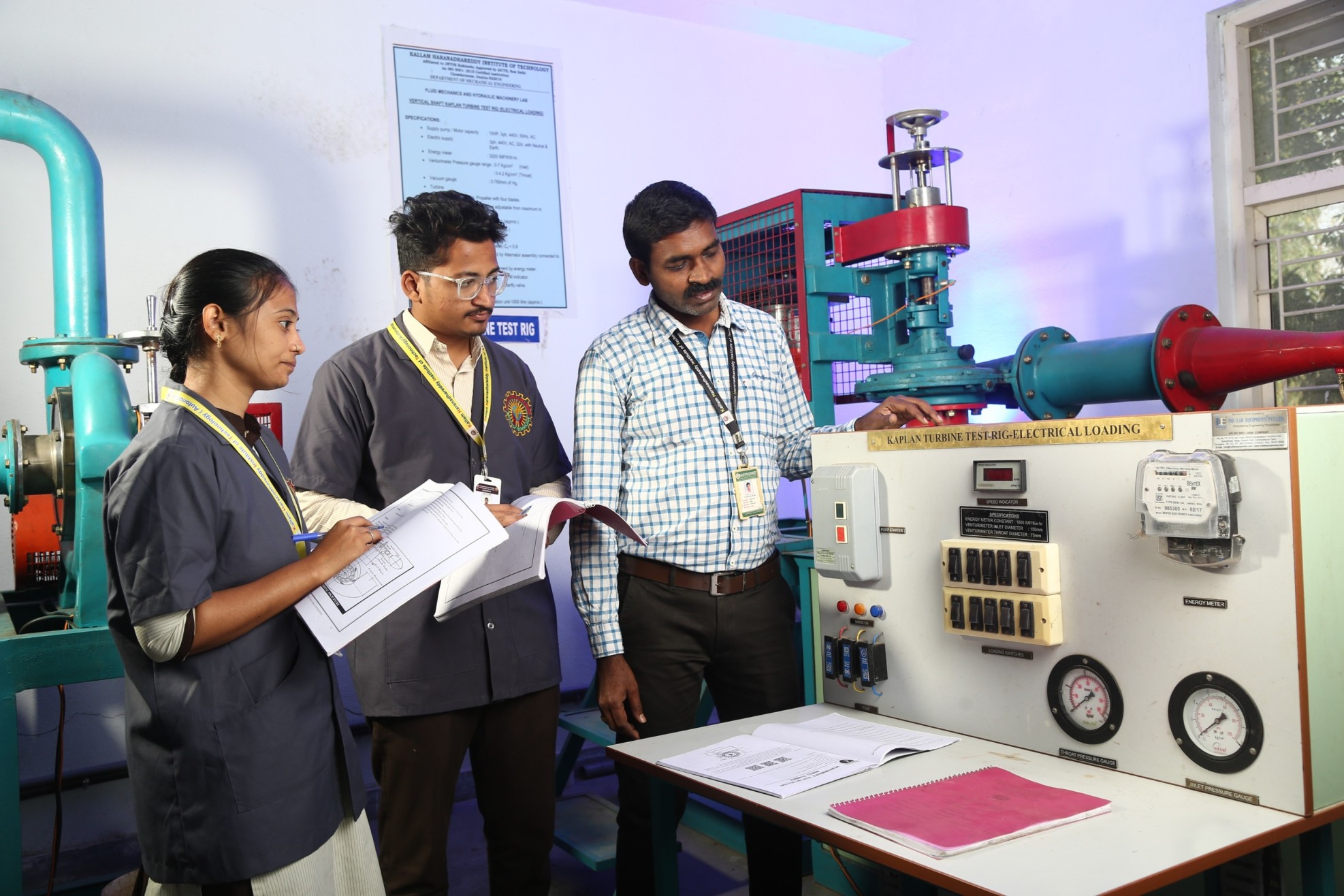
 Specialised laboratories support practical learning in Electronic Circuits, Digital Logic Design, VLSI Design, Signal Processing, Analog and Digital Communication, Electronic Simulation, and Microwave & Optical Communication.

Orientation Programme Welcomes New Students to KHIT

Signals & Systems Lab

Electronic Devices and Circuits Lab

Electronic Circuit Analysis lab
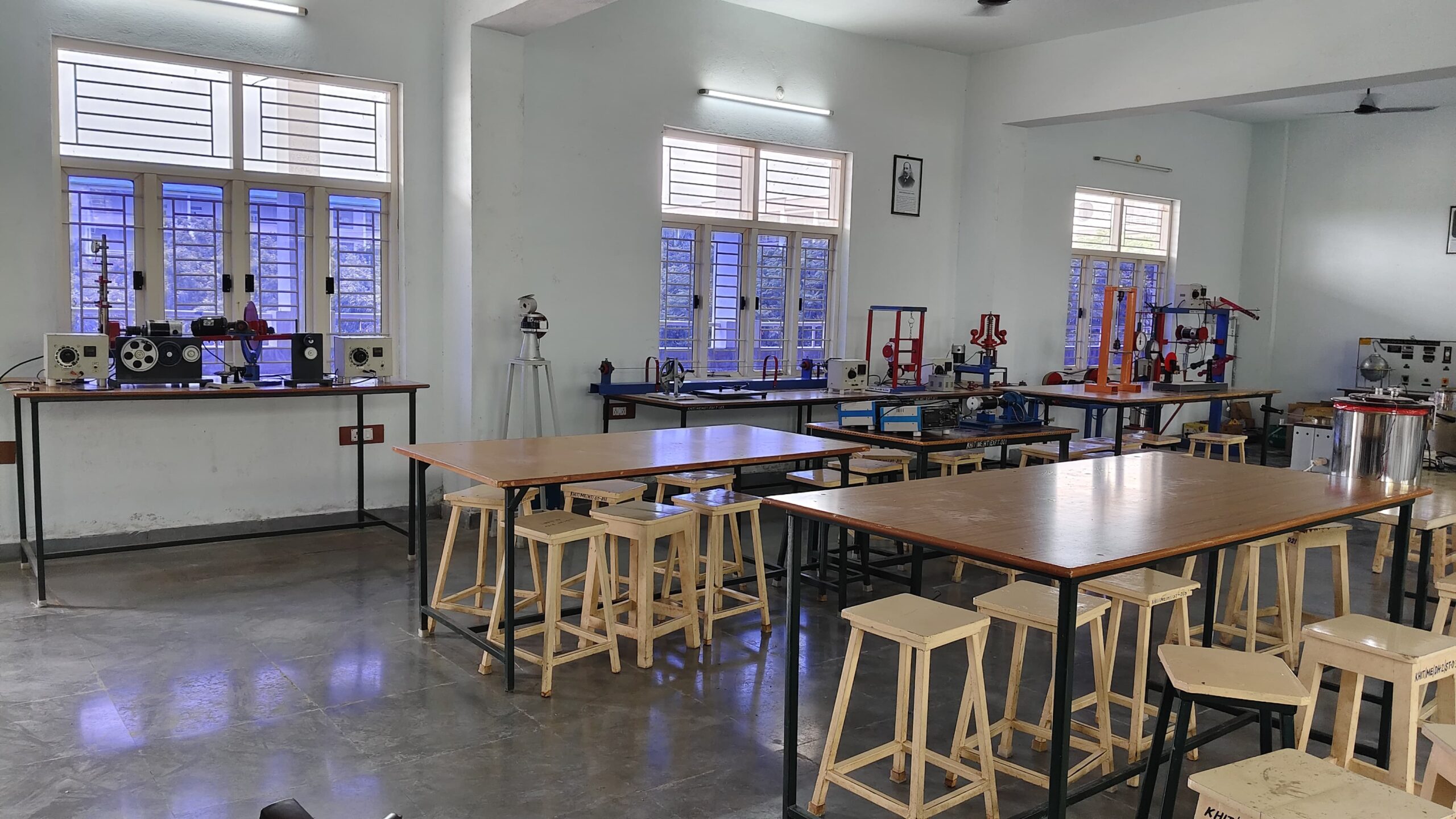
Switching Theory and Logic Design Lab
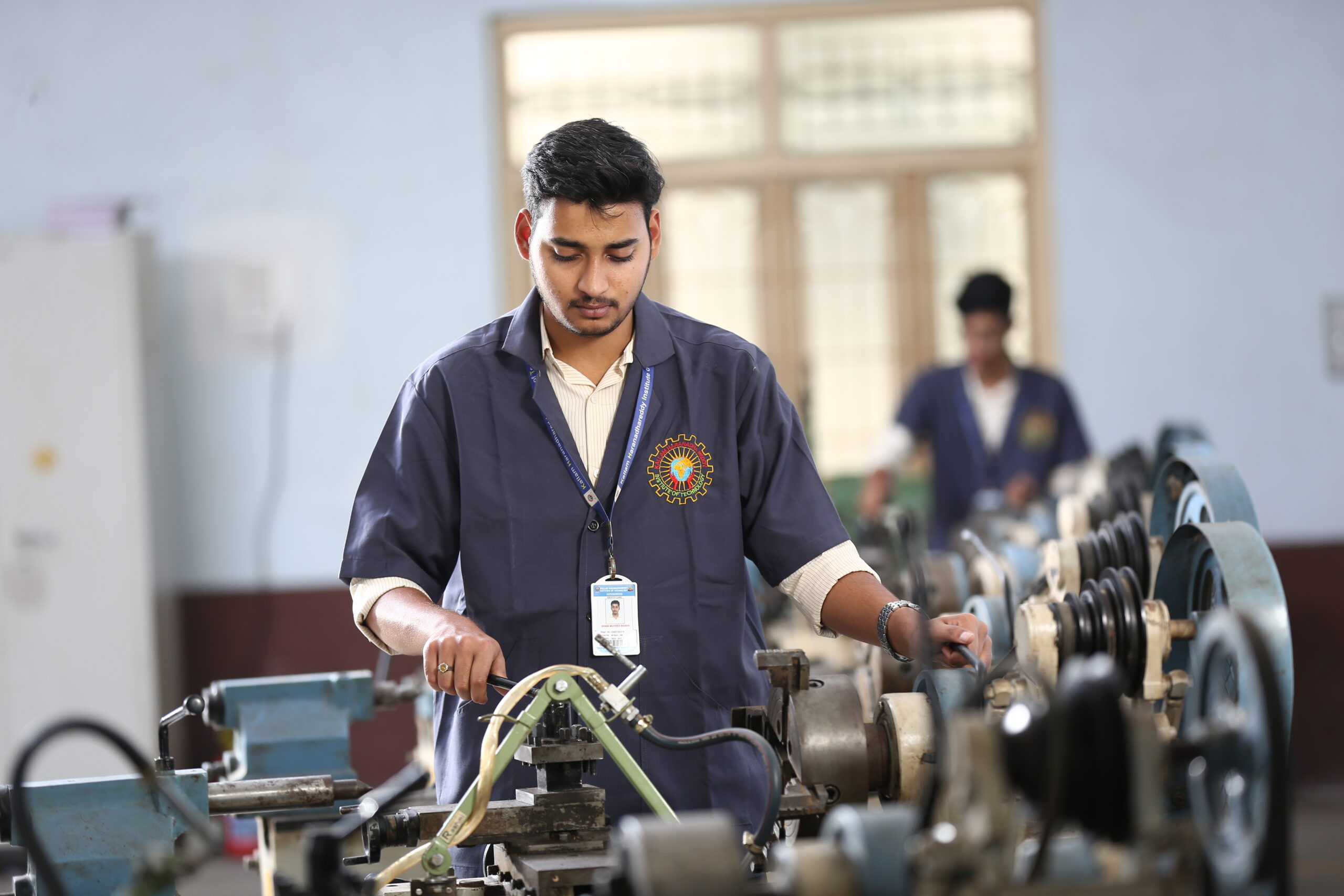
ADICA Lab
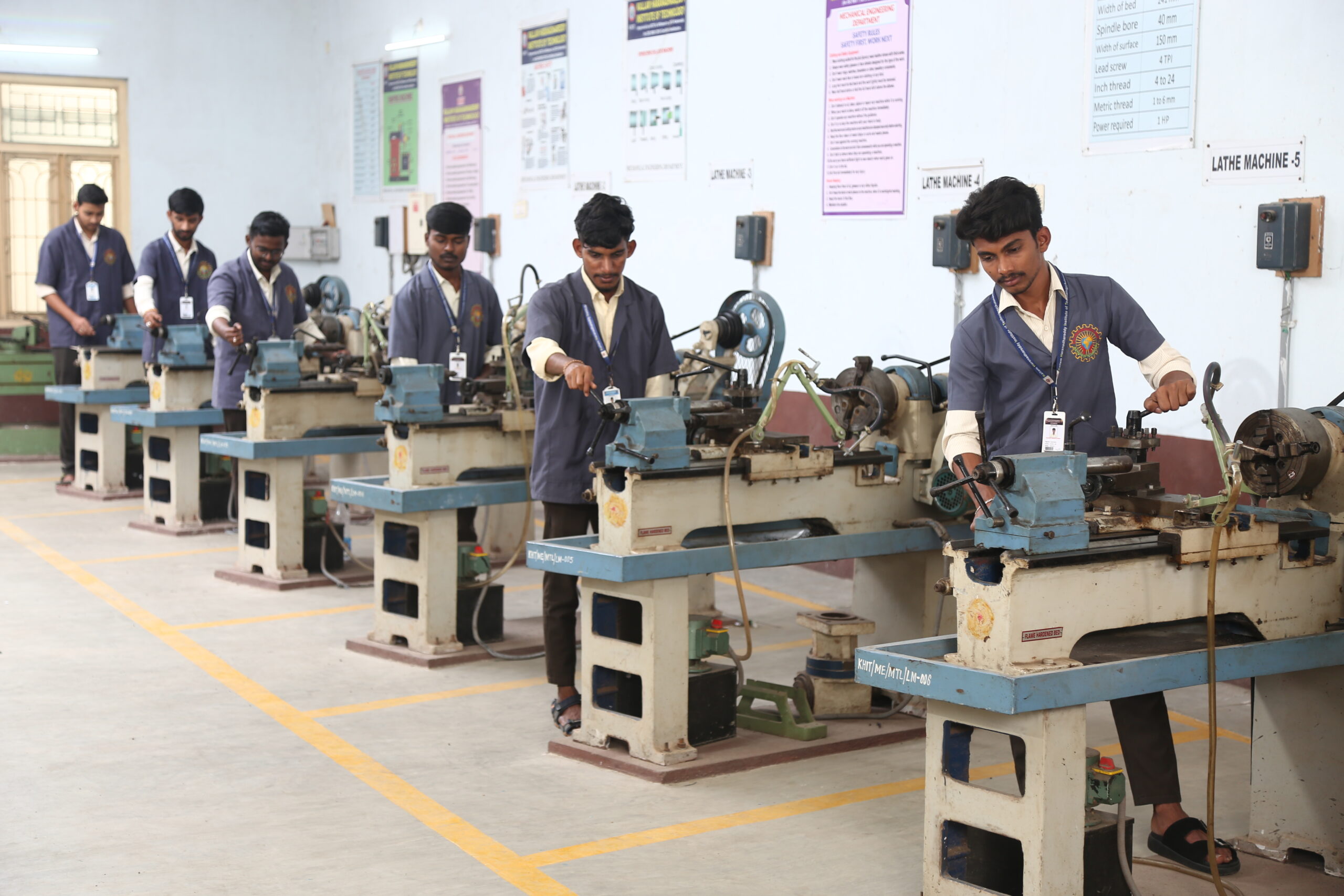
ADC Lab
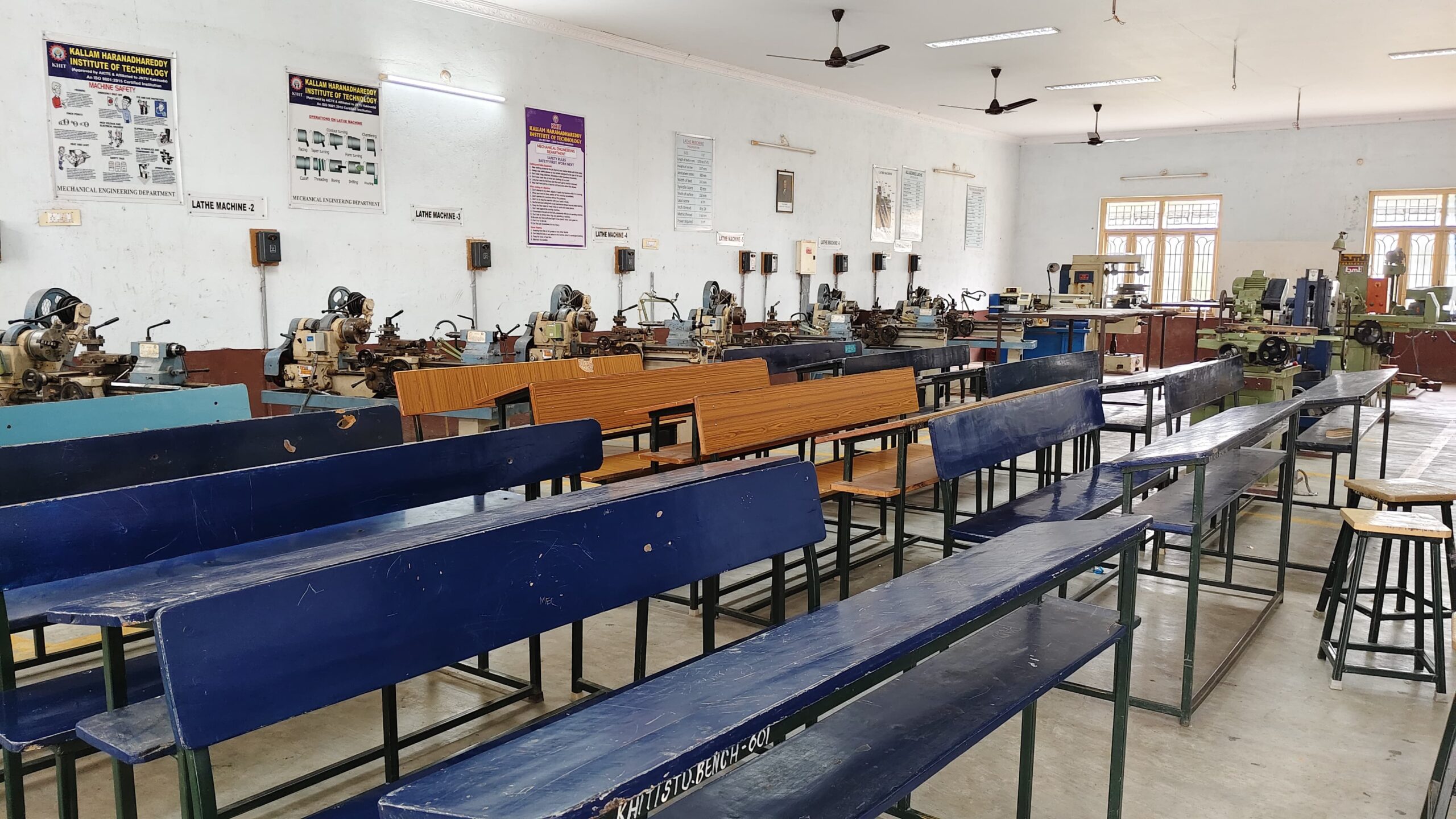
Antennas Lab
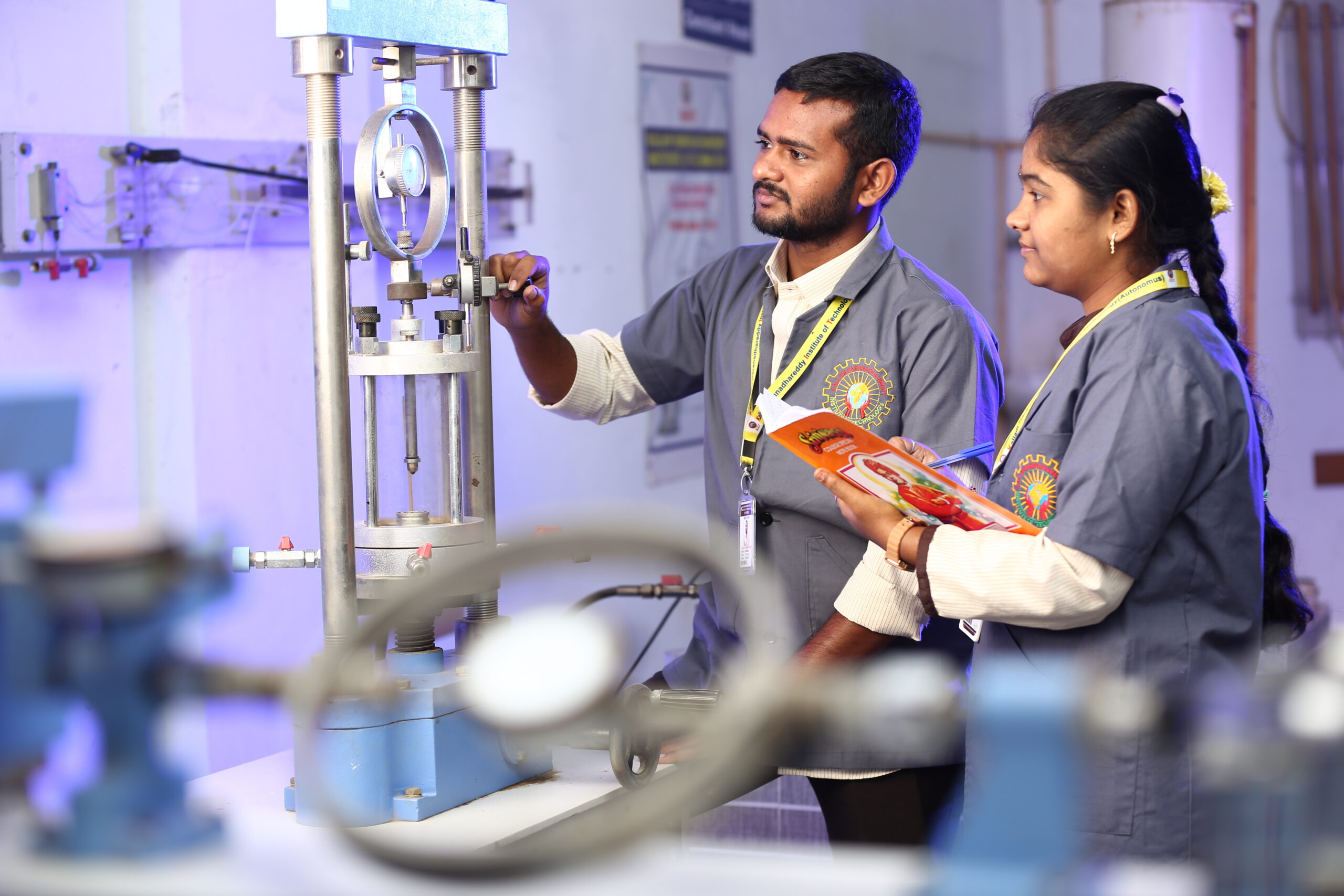
VLSI Lab
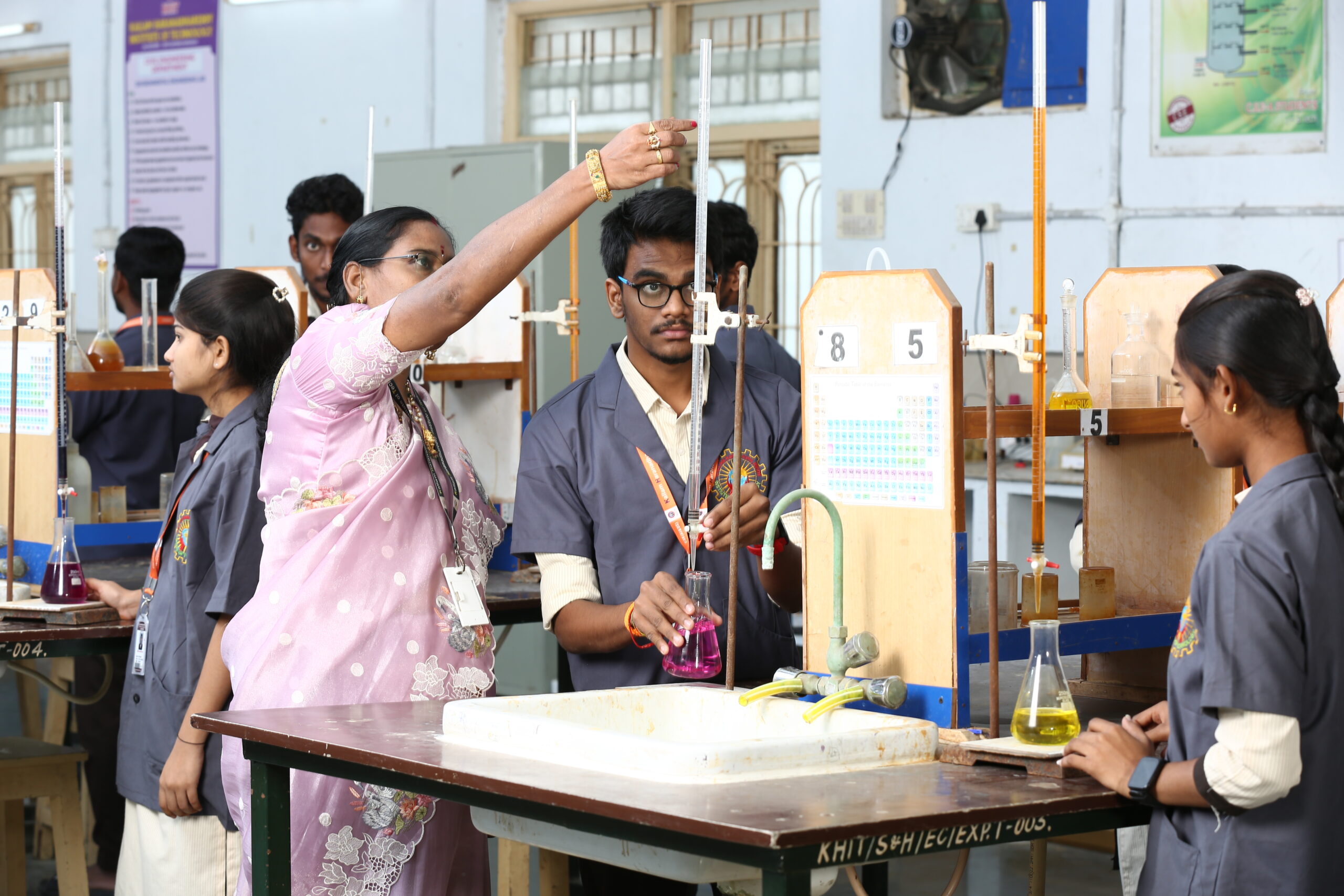
DSP Lab

Slide 1 Heading
Lorem ipsum dolor sit amet consectetur adipiscing elit dolor
Slide 2 Heading
Lorem ipsum dolor sit amet consectetur adipiscing elit dolor
Slide 2 Heading
Lorem ipsum dolor sit amet consectetur adipiscing elit dolor
Slide 3 Heading
Lorem ipsum dolor sit amet consectetur adipiscing elit dolor
Slide 3 Heading
Lorem ipsum dolor sit amet consectetur adipiscing elit dolor

Pioneers of research and Innovations

Publication Count
0 +
Patents filed
0 +
Funded projects
0 +
Granted Files
0 +
TOP RECRUITERS

Trusted by Leading Industry Partners

Our students are recruited by renowned national and multinational companies across diverse industries.

Trusted by Leading Recruiters

0 +

Placement Rate

0 LPA

Average package

0 +

Recruiting Companies

0 LPA

Highest Package

Department of Electronics and Communication Engineering

Board of Studies Members

S. No.BOS HierarchyName, Designation of the Member & Affiliation
1Chairman
Dr. S. Satheesh Professor and HOD, Department of ECE, KHIT.
Email: [email protected]
Mobile: 9866121111
2University Nominee
Dr. P. Vinaya Kumar Assistant Professor, Department of ECE, UCEK, JNTUK, Kakinada.
Email: [email protected]
Mobile: 9866754100
3Subject Expert (Academic)
Dr. D. Vakula Professor, Department of ECE, NITW, Warangal.
Email: [email protected]
Mobile: 8332969362
4Subject Expert (Academic)
Dr. K. Srinivas Rao Professor, Department of ECE, KLU, Vijayawada.
Email: [email protected]
Mobile: 7095666644
5Subject Expert (Industry)
Mrs. N. Varalakshmi Scientist – F, DRDL, Hyderabad.
Email: [email protected]
Mobile: 9490956652
6Alumni Member
Mr. Vanga Manohar Reddy Senior Cloud Engineer, CBRE, Hyderabad.
7Senior Faculty
Dr. P. Ranjith Kumar Associate Professor, Department of ECE, KHIT.
8Coordinator
Dr. K. Rajkamal Professor, Department of ECE, KHIT.
STUDENT SUCCESS

Student Achievements in ECE

Highlighting ECE students who have progressed to higher studies at national and international institutions and secured placements with leading companies.

4 LPA

GANTA NAVYA

Electronic Communication & Engineering | 2026

3.6 LPA

Kayakokula Srivani

Electronic Communication & Engineering | 2026

3.6 LPA

Vinukonda Prameela

Electronic Communication & Engineering | 2026

3.6 LPA

Kothapuli Vineetha

Electronic Communication & Engineering | 2026

3 LPA

Borra Komali

Electronic Communication & Engineering | 2026

3 LPA

Challa Anusha

Electronic Communication & Engineering | 2026

3 LPA

Indeti Akhila

Electronic Communication & Engineering | 2026

3 LPA

Thalathoti Mounika

Electronic Communication & Engineering | 2026

2.8 LPA

A.Venkata Srilakshmi Mani

Electronic Communication & Engineering | 2026

2.8 LPA

Boda Lavanya

Electronic Communication & Engineering | 2026

2.8 LPA

Gonepudi Jyoshna

Electronic Communication & Engineering | 2026

2.55 LPA

Marella Madhav Reddy

Electronic Communication & Engineering | 2026

2.8 LPA

Mettu Aishwarya

Electronic Communication & Engineering | 2026

2.7 LPA

Marella Hemanthi

Electronic Communication & Engineering | 2026

2.56 LPA

Thontala Ashok Reddy

Electronic Communication & Engineering | 2026

Scroll to Top